Founded in 2006, XHD has become a major manufacturer in the industry.
Email : sales01@xhdjx.com
Please Choose Your Language

Views: 0 Author: Site Editor Publish Time: 2026-02-03 Origin: Site


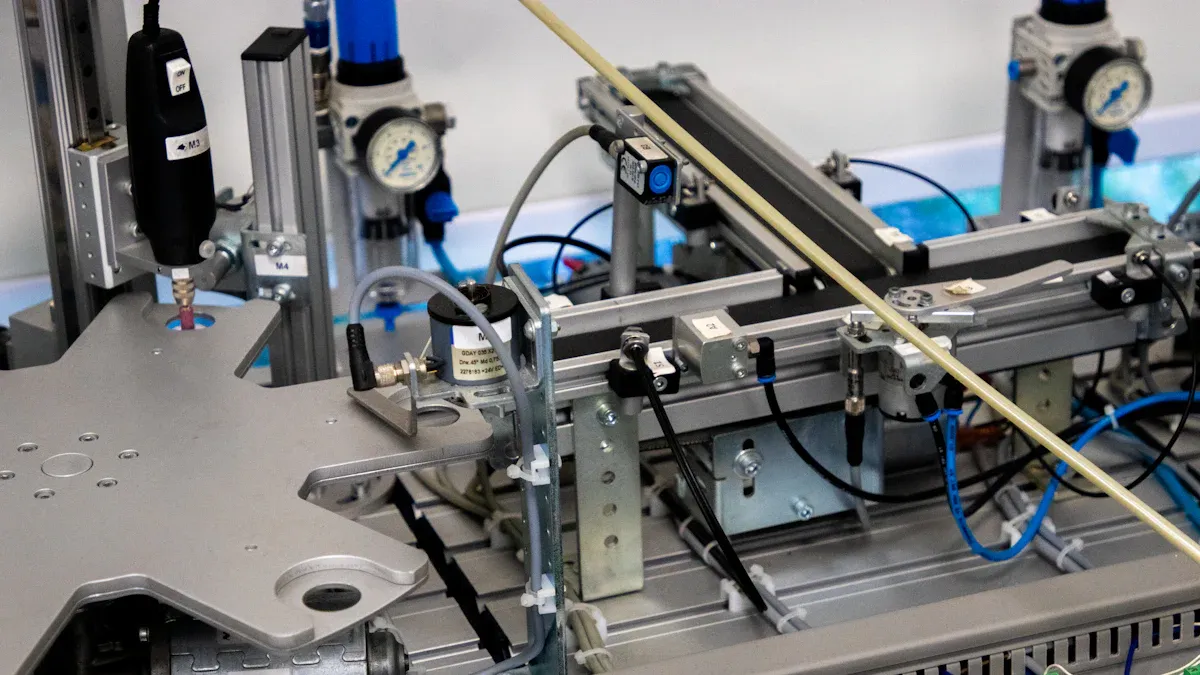
You want a custom stretch film machine that matches your business goals and delivers real results. When you align your equipment choice with your company’s targets, you set the stage for measurable improvements. See how industry leaders benefit:
| Key Point | Description |
|---|---|
| Engineered Performance | Success in the stretch film packaging market requires a blend of engineered performance and sustainability. |
| Informed Decision-Making | Aligning stretch film product selection with sustainability targets facilitates informed decision-making. |
Taking a thoughtful approach ensures you choose custom stretch film machines that support both performance and long-term growth.
Define your stretch wrapping goals to ensure your machine meets your production needs and avoids costly mistakes.
Consider your production volume and load types when selecting a machine to ensure it can handle your specific requirements.
Research different types of stretch film machines: manual, semi-automatic, and fully automatic, to find the best fit for your operation.
Compare key features like wrapping speed, film compatibility, and automation level to maximize efficiency and reduce waste.
Choose a reliable supplier with strong after-sales support to ensure your machine runs smoothly and efficiently over time.
Calculate the total cost of ownership, including upfront costs and long-term savings, to make a smart investment decision.
Request a live demo to see the machine in action and ensure it meets your operational needs before making a purchase.
Involve key stakeholders in the decision-making process to gather diverse insights and ensure a smooth transition to new equipment.
Before you select a stretch film machine, you need to set clear goals for your packaging process. This first step in the 5 step guide helps you avoid common mistakes and ensures your investment matches your needs.
You should start by estimating how many loads you wrap each day. Think about your current production and how it might change during busy seasons. Consider your growth plans for the next five or ten years. If you wrap only a few pallets daily, a manual or semi-automatic machine may work. If you expect high volume, you will need a more advanced solution. Not understanding your production volume can lead to choosing a machine that slows your workflow or wastes resources.
Look at the products you need to wrap. Are your loads heavy, light, fragile, or have sharp edges? Each type requires different stretch film and machine features. For example, heavy or unstable loads need machines with strong containment and advanced tension control. If you wrap irregularly shaped items, you may need custom stretch wrapping solutions. Ignoring load type can result in poor wrapping and damaged goods.
Decide if you want your stretch film machine to work alone or as part of a larger automated system. Some businesses need machines that connect with conveyors or other packaging equipment. If you plan to automate more of your process, choose a machine that supports integration. This decision affects your long-term flexibility and efficiency.
Tip: Write down your must-have features and any special requirements. This list will help you compare machines later.
You have three main types of stretch film machines to consider. Each type fits different production levels and budgets.
Manual stretch film machines require you to do most of the work. You place the load, wrap it, and cut the film by hand. These machines cost less and suit small operations. However, they can slow you down and lead to inconsistent wrapping. Manual machines work best if you wrap fewer than 10 loads per day.
Semi-automatic machines handle more of the wrapping process. You place the load on the turntable, and the machine wraps it for you. You may still need to attach and cut the film. These machines increase speed and consistency. They fit businesses that wrap 10 to 50 loads daily. Semi-automatic machines offer a good balance between cost and efficiency.
Fully automatic stretch film machines do almost everything for you. They place, wrap, and cut the film without your help. These machines work well for high-volume operations. They save time, reduce labor, and improve safety. If you need to wrap more than 50 loads per day, a fully automatic machine is the best choice. You also get consistent wrapping and less film waste.
Note: Choosing the right machine type helps you avoid spending too much or too little. It also prevents problems with speed and load containment.
When you compare stretch film machines, focus on the features that matter most for your business. The table below highlights important features and what they mean for you.
| Feature | Description |
|---|---|
| Wrapping Speed | How fast the machine wraps your loads. Faster speed means higher productivity. |
| Film Compatibility | The types and thickness of stretch film the machine can use. This affects packaging efficiency. |
| Automation Level | The amount of work the machine does for you. Higher automation saves time and labor. |
| Safety & Maintenance | How easy it is to keep the machine running safely and with minimal downtime. |
Check how many loads the machine can wrap per hour. If you need to wrap many pallets quickly, choose a machine with higher speed. Overlooking wrapping speed can cause bottlenecks and reduce your productivity.
Make sure the machine works with the stretch film you use. Some machines handle only certain types or thicknesses. Using the wrong film can lead to poor wrapping or wasted material. If you need special films, like UV-stabilized or colored film, look for machines that support these options.
Decide how much automation you need. Manual machines require more labor. Semi-automatic and fully automatic machines reduce your workload and improve consistency. Advanced automation can also help you save film and reduce waste.
Choose a machine with strong safety features. Look for emergency stops, guards, and clear controls. Easy maintenance means less downtime and lower costs. Neglecting maintenance can lead to expensive repairs and lost production time.
Not understanding your load size and weight.
Overlooking wrapping speed.
Focusing only on price, not quality.
Ignoring maintenance and support.
By following this guide, you can match your stretch film machine to your business needs and avoid costly errors. Custom stretch wrapping solutions can help you address unique challenges and improve your packaging process.
Choosing a stretch wrapper for your business means you need a supplier you can trust. The right supplier helps you get the most out of your stretch wrapping machine and ensures your packaging process runs smoothly. You should look at several important criteria before making your decision.
Reliable suppliers deliver on their promises and help you avoid costly downtime. You want a partner with strong technical capabilities and a proven track record in the stretch film market. Suppliers with experience in rewinder integration and research and development can offer better solutions for your needs. Regular maintenance is essential for any stretch wrapping machine. If a supplier cannot provide reliable machines or support, you may face unexpected breakdowns and increased costs. Compatibility also matters. Not every film works with every machine, so a reliable supplier will guide you to the right options and help you avoid performance issues.
Here is a table to help you compare supplier criteria:
| Criteria | Description |
|---|---|
| Technical Capabilities | Look for suppliers with R&D and integration experience. |
| Industry Experience | Choose those with a strong history in the stretch film market. |
| After-Sales Service | Ensure they offer technical support and training after purchase. |
| Compliance with Standards | Check if they meet quality and regulatory requirements. |
| Sustainability | Prefer suppliers who use eco-friendly practices and meet environmental standards. |
You need a supplier who stands by you after the sale. Good customer support means you get help with installation, training, and troubleshooting. Fast response times reduce downtime and keep your stretch wrapping machine running at peak performance. Look for suppliers who offer:
Technical support by phone or online
On-site service and repairs
Training for your staff
Access to spare parts and upgrades
A supplier with a global reach and strong distribution network can deliver parts and service quickly, no matter where your business operates. Customer testimonials and a solid reputation show that a supplier values long-term relationships.
When you evaluate suppliers, XHD Machinery stands out as a preferred choice. XHD Machinery has a strong reputation for reliability and innovation in the stretch wrapping machine industry. Their machines deliver consistent performance, high load containment, and reduced waste. XHD Machinery invests in research and development, so you get access to the latest features and technology. They also provide excellent after-sales support, including training and technical service. Many businesses choose XHD Machinery for their automatic stretch wrapper needs because of their commitment to quality and customer satisfaction.
Tip: Make a checklist of must-have features and compare how each supplier meets your needs. This step helps you make a confident decision and avoid costly mistakes.
You need to balance upfront costs with long-term savings when investing in a stretch wrapping machine. Understanding the total cost of ownership helps you make a smart choice for your business.
Manual machines have the lowest initial investment. You pay for the film and a simple dispenser. Automatic stretch wrapper systems require a higher upfront cost because you pay for advanced machinery and installation. However, these machines offer more features and greater efficiency. When you compare options, look at the price of the machine, installation fees, and any extra equipment you may need.
Automatic stretch wrapper machines help you save money over time. They use less film per pallet because of high pre-stretch capabilities. This reduces waste and lowers your film costs. Automated machines also cut labor costs because they wrap loads faster and more consistently. You spend less time on each pallet, which boosts your overall performance. The table below shows how machine film compares to handy stretch film:
| Cost/Efficiency Factor | Handy Stretch Film | Machine Film |
|---|---|---|
| Initial Investment | Very Low (film + dispenser) | High (machine + film) |
| Film Cost per Roll | Lower per roll | Higher per roll (but more yield) |
| Film Cost per Pallet | Higher (less stretch, more film) | Lower (high pre-stretch, less film) |
| Labor Cost per Pallet | Higher (manual, slower) | Lower (automated, faster) |
| Overall Efficiency | Lower (inconsistent) | Higher (consistent, fast) |
You should consider the long-term value of your investment. Automatic stretch wrapper machines offer better performance, improved load containment, and less waste. These benefits lead to fewer damaged goods and lower shipping costs. Over time, the savings from reduced film use and labor add up. You also gain flexibility to handle different load types and meet changing business needs. When you choose a machine with must-have features and strong support, you protect your investment and set your business up for growth.
Note: Calculate your return on investment by comparing your current costs with the expected savings from a new stretch wrapping machine. This step helps you see the true value of your purchase.
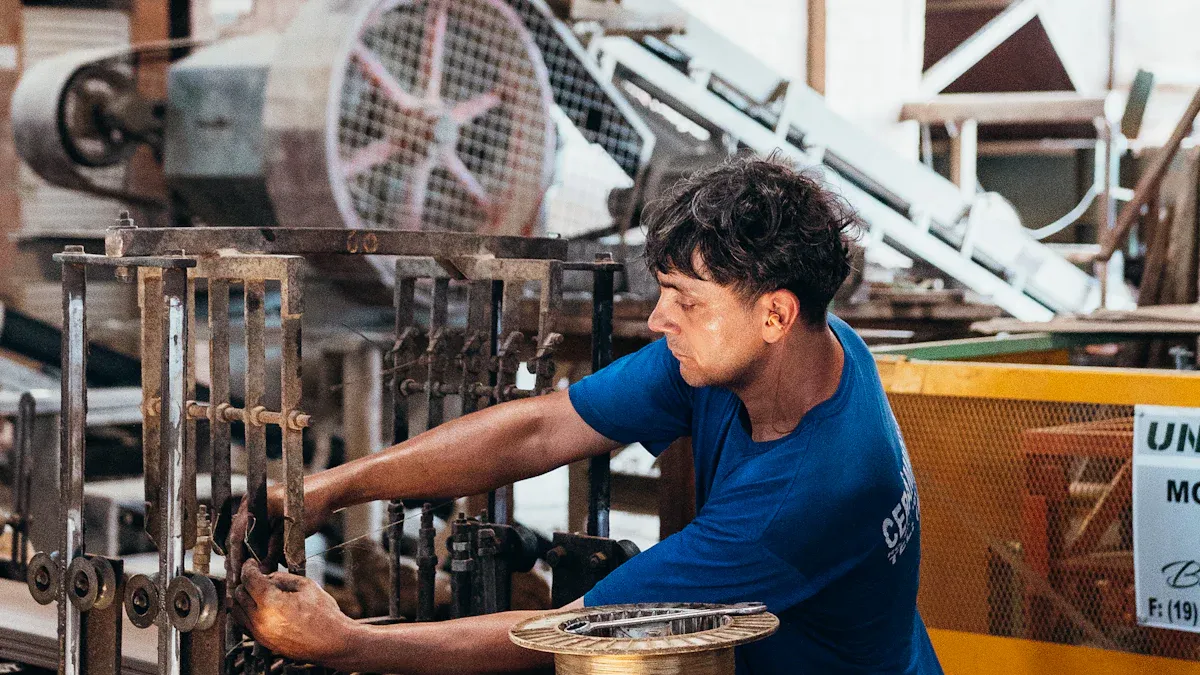
You want your packaging process to move quickly and smoothly. Wrapping speed plays a big role in how many pallets you can prepare each hour. High-speed machines can wrap hundreds of items per hour. This eliminates bottlenecks and keeps your production line moving. When you match the speed of your machine stretch film equipment with your conveyor system, you avoid idle time and wasted effort.
Efficiency means more than just speed. It also covers how well your machine uses film and energy. Machines with automatic film roll changes and advanced tension control help you save time and reduce waste. The table below shows how different factors affect your throughput:
| Factor | Impact on Throughput |
|---|---|
| High-speed machines | Can wrap hundreds of items per hour, eliminating bottlenecks. |
| Automation level | Fully automatic machines reduce cycle time and labor. |
| Integration with conveyors | Must match wrapper speed to avoid idling. |
| Machine design | Features like automatic film roll changes enhance efficiency. |
When you choose a machine with high efficiency, you lower your labor costs and boost your output. This is especially important in high-demand environments where every minute counts.
Not all films work with every machine. You need to make sure your custom stretch film machine can handle the type of film you use. Most machines work best with machine-grade stretch film. This type of film is made for high-volume operations and heavy-duty loads. It offers high stretch capability and uniform thickness. You can use it with both semi-automatic and fully automatic machines.
If your business needs high-performance film, check that your machine supports different thicknesses, colors, and special properties. Some machines can even use recyclable films, which helps you meet sustainability goals and improve your company’s reputation.
Machine-grade stretch film fits most custom machines.
Ideal for heavy loads and frequent use.
High-performance film options include UV protection, color coding, and extra stretch.
Choosing the right film compatibility ensures you get strong, secure wrapping every time.
Automation changes the way you package goods. With automation, your machine applies film quickly and evenly. This reduces manual work and gives you consistent results. Workers can focus on other tasks, which increases overall productivity. Automated systems also lower the risk of injuries from repetitive motion.
You will notice that automation streamlines your workflow. It removes manual roadblocks and keeps your process running smoothly. The user interface matters too. Easy-to-use controls help your team set up and run the machine with little training. Modern machines often have touchscreens and clear menus, making adjustments simple.
Automation allows for quicker, more consistent packaging.
Machines apply film efficiently, saving time and labor.
Workers spend less time on repetitive tasks, reducing injury risk.
User-friendly interfaces make operation and training easier.
If you want the best results, consider a supplier like XHD Machinery. Their machines combine advanced automation with easy controls, helping you achieve top efficiency and reliability in your packaging line.
You need to keep your team safe when using custom stretch film machines. Modern machines come with advanced safety features that protect operators and reduce the risk of accidents. When you choose a machine, look for these important safety elements:
Light curtains: These sensors create an invisible barrier. If someone breaks the beam, the machine stops immediately.
Physical safety fencing: Strong barriers keep operators away from moving parts.
Emergency stop buttons: You can quickly shut down the machine in case of trouble.
Safety barriers: These prevent accidental contact with dangerous areas.
Obstruction sensors: The machine detects objects or people in the wrapping zone and pauses operation.
Safety interlocks: The machine will not run if doors or panels are open.
These features help you avoid injuries and keep your workplace safe. You should also train your staff to use all safety controls and follow best practices. A safe machine not only protects people but also reduces downtime from accidents.
Tip: Always check that your machine meets local safety standards and regulations. Choosing a trusted supplier like XHD Machinery ensures you get reliable safety features built into every model.
Regular maintenance keeps your stretch film machine running smoothly and prevents costly breakdowns. If you skip maintenance, you risk wear and tear, especially in the pre-stretch carriage. This can cause the film to stretch less, leading to loose loads and more film use. Problems like web breaks or motor strain often go unnoticed until they stop your production.
You can avoid these issues by following a simple maintenance routine:
Keep the machine clean to prevent debris buildup.
Remove film scraps from rotating parts to avoid motor strain.
Lubricate drive systems as recommended.
Inspect belts and sensors for signs of wear.
Neglecting these steps can lead to:
Reduced pre-stretch and tension, causing load failures.
Higher film usage and wasted material.
Expensive repairs and longer downtime.
A well-maintained machine saves you money and keeps your packaging line efficient. You also extend the life of your equipment and avoid unexpected interruptions. XHD Machinery designs their machines for easy maintenance, so you spend less time on repairs and more time on production.
Note: Schedule regular inspections and train your team to spot early signs of wear. This simple habit can make a big difference in your operation’s reliability.
Choosing the right stretch film machine depends on your production needs and business goals. Each machine type fits a different level of production and offers unique advantages and disadvantages. The table below gives you a quick comparison:
| Machine Type | Throughput (Pallets/Hour) | Labor Requirement | Initial Cost | Best For |
|---|---|---|---|---|
| Manual | 1-15 | High | Low | Very low volume or occasional wrapping needs. |
| Semi-Automatic | 20-50 | Medium | Medium | Small to medium operations that need consistent, quality wraps. |
| Fully Automatic | 50-120+ | Low | High | High-volume facilities with integrated production lines. |
Manual stretch film machines work best for businesses with very low production or occasional wrapping needs. You operate these machines by hand, which means you control the wrapping process from start to finish. This type of machine requires more labor and time per pallet, but it keeps your initial investment low.
| Advantages of Manual Stretch Film Machines | Disadvantages of Manual Systems |
|---|---|
| Lower Initial Investment: Cost-effective for small businesses. | Higher Labor Costs: Increased expenses as volumes rise. |
| Flexibility in Operation: Easy adjustments for different loads. | Inconsistent Results: Variability in film application. |
| Reduced Maintenance Requirements: Fewer breakdowns and costs. | Slower Throughput: Longer time per pallet. |
| Space Efficiency: Requires less floor space. | Operator Fatigue: Physical demands can affect quality. |
Manual machines suit you if your production is limited and you want to keep costs down. However, as your production grows, you may face higher labor costs and inconsistent wrapping quality.
Semi-automatic stretch film machines offer a balance between manual labor and automation. These machines automate the wrapping motion but still need you to load and start the process. They fit small to medium production environments where you want consistent results without the high cost of full automation.
Semi-automatic machines automate the wrapping process while still requiring some manual input, making them cost-effective for medium-sized operations.
They provide a consistent and quality wrap without the high investment of fully automatic systems.
Two common designs are:
Turntable wrappers: Ideal for stable loads, where the pallet spins on a platform.
Rotary arm wrappers: Suitable for heavy or unstable loads, where the arm rotates around the stationary pallet.
These machines offer flexibility for varying load sizes and lower production volumes, unlike fully automated machines designed for high-volume operations.
Operators initiate the wrapping process, allowing for a balance between manual involvement and automation.
Semi-automatic machines help you increase production efficiency and maintain quality. You can handle more pallets per hour than with manual machines, and you reduce the risk of operator fatigue.
Fully automatic stretch film machines are designed for high-volume production environments. These systems handle every step of the wrapping process, from feeding pallets into the wrap zone to cutting and sealing the film. You do not need to intervene during normal operation.
These machines deliver several key benefits:
Consistent wrapping quality for every pallet, improving load stability and reducing product damage.
Higher productivity, with the ability to wrap pallets much faster than manual or semi-automatic systems.
Reduced labor requirements, as one operator can manage multiple machines or focus on other tasks.
Better film usage, saving 20-30% compared to manual operations.
Enhanced safety, keeping workers away from moving machinery.
Fully automatic machines integrate directly into your production line, making them ideal for facilities with continuous, high-speed production needs. If your business demands maximum throughput and efficiency, consider a fully automatic system from a trusted supplier like XHD Machinery.
Tip: Match your machine choice to your current and future production goals. Upgrading as your production grows ensures you always meet demand with the right level of automation.
When you compare stretch wrapper suppliers, you want to make sure you get the best value and reliability for your investment. A reliable supplier helps you avoid costly downtime and ensures your machine performs well for years. Here are key factors you should check:
Verify Production Capabilities: Choose suppliers with modern manufacturing facilities. Look for advanced extrusion lines, in-house testing labs, and ISO certification. These features show a commitment to quality.
Inspect Product Specifications: Review the machine’s features. Reliable machines offer variable film gauges, high cling, strong puncture resistance, and consistent roll dimensions.
Evaluate Customization Options: Some suppliers provide color coding, special tension levels, and films for unique needs. Customization helps you match the machine to your business.
Compare Total Cost of Ownership: Think beyond the purchase price. Consider film yield, labor savings, machine efficiency, and waste disposal costs. A good supplier helps you lower long-term expenses.
Confirm After-Sales Support: Make sure the supplier offers technical help, fast service, and regular quality checks.
Tip: A supplier with strong production and support gives you peace of mind and helps your business grow.
After-sales support plays a big role in your machine’s long-term performance. When you choose a supplier, look for these important support features:
Fast response times for technical issues
Easy access to spare parts
Training programs for your team
Industry experts say that long-term stability and technical support matter more than ever. Reliable after-sales service reduces your operational risks and keeps your packaging line running smoothly. Good support also helps you maintain high productivity and avoid unexpected breakdowns.
A supplier who stands by their machines will help you solve problems quickly and keep your operations efficient.
XHD Machinery stands out as a preferred supplier for stretch film machines. You benefit from their focus on quality, innovation, and customer satisfaction. Their machines feature advanced technology, strong load containment, and efficient film usage. XHD Machinery invests in research and development, so you always get the latest features.
You can rely on their technical support and training programs. Their team responds quickly to service requests and provides expert guidance. Many businesses trust XHD Machinery for their reliability and commitment to long-term partnerships.
Choosing XHD Machinery means you get a dependable machine, expert support, and a partner who helps your business succeed.

When you plan to buy stretch wrapping equipment, you need to look at the upfront investment. Manual stretch wrapping equipment usually costs less at the start. You pay for the basic machine and a few accessories. As you move to semi-automatic or fully automatic stretch wrapping equipment, the price goes up. These machines offer more features, such as higher pre-stretch levels and advanced controls. You also need to consider installation and training costs. Some suppliers, like XHD Machinery, provide support to help you get started quickly. Investing in the right stretch wrapping equipment now can save you money later by improving operational efficiency and reducing downtime.
Stretch wrapping equipment gives you many ways to save money over time. High pre-stretch levels mean you use less film for each pallet. This helps you reduce waste and lower your material costs. When you use stretch wrapping equipment with advanced pre-stretch, you get better product protection and fewer damaged goods. You also spend less on labor because the machines wrap pallets faster and more consistently. The table below shows how operational savings from a stretch film solution can boost your business profitability:
| Savings Area | Description |
|---|---|
| Decreased Waste Disposal Costs | Reduced material usage leads to lower expenses for waste management and a smaller environmental footprint. |
| Productivity Gains | Faster wrapping processes improve service levels and customer satisfaction due to quicker turnaround times. |
| Material Savings | High yield stretch film covers larger areas, resulting in fewer rolls needed and savings on material purchases. |
| Reduced Shipping Damage | Enhanced load security minimizes product losses during transit, saving on replacement costs. |
| Lower Labor Costs | Quicker wrapping processes allow workers to wrap more pallets in less time, enhancing productivity and reducing labor costs. |
You can see that stretch wrapping equipment with high pre-stretch and advanced controls helps you reduce waste and improve cost savings. These cost-saving strategies make your operation more competitive.
You want to know how quickly your investment in stretch wrapping equipment will pay off. Calculating return on investment (ROI) helps you make smart decisions. Here are the most effective methods:
ROI Formula: Calculate ROI by comparing net annual benefit to total equipment cost. Use this formula: (Net annual benefit / Total equipment cost) x 100.
Net Benefits: Include labor savings, increased throughput profit, reduced material waste, and improved quality from your stretch wrapping equipment.
Payback Period: Find out how long it takes to recover your investment. Divide total equipment cost by annual net benefit. A shorter payback period means less risk.
When you use these methods, you get a clear picture of the value your stretch wrapping equipment brings. Machines with high pre-stretch and advanced features often deliver a faster payback. You also gain long-term benefits, such as better product protection and lower operating costs. Choosing the right stretch wrapping equipment, like those from XHD Machinery, helps you reach your business goals and maximize your return.
Buying a stretch film machine is a big investment. You do not have to pay the full price upfront. Many suppliers offer flexible financing options to help you manage your cash flow and keep your business running smoothly. Understanding your choices helps you make the best decision for your budget and long-term goals.
Common Financing Options:
Leasing:
Leasing lets you use the machine for a set period while making regular payments. At the end of the lease, you can return the machine, renew the lease, or sometimes buy the equipment for a reduced price. Leasing helps you preserve cash and upgrade to newer models more easily.
Equipment Loans:
An equipment loan allows you to borrow money to buy the machine. You pay back the loan in monthly installments. Once you finish paying, you own the machine. This option works well if you want to build equity in your equipment.
Rent-to-Own:
Rent-to-own programs combine the benefits of renting and buying. You start by renting the machine. Part of your rental payments goes toward the purchase price. If you decide to buy, you pay the remaining balance. This option gives you flexibility if you are unsure about long-term needs.
Supplier Financing:
Some suppliers, like XHD Machinery, offer their own financing plans. These plans may include low-interest rates, deferred payments, or special promotions. Working directly with the supplier can make the process faster and easier.
Tip: Always compare the total cost of each financing option. Look at interest rates, fees, and payment schedules. Choose the plan that fits your cash flow and business goals.
Financing Comparison Table
| Financing Option | Ownership at End | Upfront Cost | Flexibility | Best For |
|---|---|---|---|---|
| Leasing | No (unless buyout) | Low | High | Businesses wanting upgrades |
| Equipment Loan | Yes | Medium | Medium | Long-term equipment use |
| Rent-to-Own | Yes (if purchased) | Low | High | Unsure of long-term needs |
| Supplier Financing | Varies | Varies | High | Fast, simple approval |
You should talk to your supplier about available financing programs. XHD Machinery often helps customers find the right plan for their needs. Flexible financing lets you invest in better technology without straining your budget. This approach supports your growth and keeps your operations efficient.
Remember, the right financing option can make your investment more affordable and help you achieve a faster return.
Before you make your final decision, you should review a clear checklist. This step helps you confirm that you have considered every important factor. Use this list to guide your selection process:
Determine your usage needs
Assess how many loads you wrap now and how many you expect to wrap in the future. This helps you choose a machine with the right power and type for your business.
Identify special features
Think about any specific capabilities you need. For example, you may want advanced tension control, special film compatibility, or integration with other equipment. Avoid paying for features you do not need.
Evaluate integration
Decide if your new machine will work alone or as part of an automated line. Make sure the machine matches your operational pace and fits with your current systems.
Check supplier reliability
Choose a supplier with a strong reputation for quality and support. XHD Machinery stands out for its reliable machines and excellent after-sales service.
Review safety and maintenance
Confirm that the machine includes essential safety features and is easy to maintain. This keeps your team safe and reduces downtime.
Calculate total cost and ROI
Look at both the upfront investment and the long-term savings. Make sure the machine delivers value over time.
Tip: Print this checklist and use it during your discussions with suppliers. It helps you stay organized and focused.
You should always request a live demonstration before you buy a custom stretch film machine. A demo lets you see the machine in action and test its features. You can check how the machine handles your typical loads and see if it meets your speed and quality needs. During the demo, ask the supplier to show you how to operate the controls, change film rolls, and perform basic maintenance. This hands-on experience helps you spot any potential issues and ensures the machine fits your workflow.
Many suppliers, including XHD Machinery, offer in-person or virtual demos. Take advantage of these opportunities to compare different models and ask questions. Seeing the machine in real-world conditions gives you confidence in your choice.
Note: Bring your checklist to the demo. Mark off each requirement as you see it in action.
Involve key stakeholders in your decision-making process. These people may include production managers, maintenance staff, safety officers, and finance team members. Each group brings a unique perspective and can help you identify potential challenges. Ask for their feedback on machine features, ease of use, and support needs.
When you include your team, you build support for the new equipment and ensure a smoother transition. Stakeholder input also helps you avoid costly mistakes and select a machine that works for everyone.
Tip: Schedule a meeting with all stakeholders after the demo. Review your checklist together and make a final decision as a team.
Proper installation and training set the foundation for your stretch film machine’s long-term success. You want your equipment to run smoothly from day one. A well-installed machine reduces downtime and prevents costly mistakes. Training ensures your team uses the machine safely and efficiently.
You should start by working with your supplier to schedule professional installation. Most suppliers, like XHD Machinery, send certified technicians to your site. These experts assemble the machine, connect it to your power supply, and test all functions. They check for correct alignment and make sure safety features work. You avoid common setup errors when you let professionals handle installation.
Tip: Ask your supplier for a detailed installation plan. This helps you prepare your workspace and avoid last-minute surprises.
After installation, focus on training your staff. You want every operator to understand how to use the machine. Good training covers basic operation, safety procedures, and routine maintenance. Your team should learn how to load film, adjust settings, and respond to error messages. Hands-on practice helps your staff build confidence.
Here is what a strong training program includes:
Machine Overview: Learn the main parts and their functions.
Control Panel Use: Practice starting, stopping, and adjusting the machine.
Film Loading: See how to change rolls and set film tension.
Safety Procedures: Review emergency stops and safety barriers.
Basic Maintenance: Learn how to clean, inspect, and lubricate key parts.
Troubleshooting: Understand common issues and quick fixes.
You should keep training materials, such as manuals and quick-start guides, in an easy-to-find place. Schedule refresher sessions every few months. This keeps your team up to date and reduces the risk of accidents.
Note: XHD Machinery offers on-site and remote training options. Their support team answers questions and provides extra help if you need it.
You can also create a checklist for installation and training. This helps you track progress and ensures nothing gets missed.
| Step | Responsible Party | Completed (✔) |
|---|---|---|
| Machine Delivery | Supplier | |
| Professional Setup | Supplier Technician | |
| Power Connection | Facility Electrician | |
| Initial Testing | Supplier Technician | |
| Operator Training | Supplier Trainer | |
| Safety Review | Safety Officer | |
| Maintenance Briefing | Maintenance Lead |
When you invest in proper installation and training, you protect your equipment and your team. You also get the best performance from your stretch film machine. Choose a supplier like XHD Machinery that supports you every step of the way.
You can achieve the best results by following a clear process when choosing custom stretch film machines. Start by setting your goals. Compare different custom stretch film machines and look at their features. Evaluate suppliers and focus on those with strong support. Custom stretch film machines from XHD Machinery give you reliability and innovation. When you use this guide, you make smart choices about custom stretch film machines. Take the next step and request a demo or talk to a supplier about custom stretch film machines for your business.
A custom stretch film machine wraps pallets or products with stretch film based on your specific needs. You can choose features like automation level, film type, and wrapping speed to match your business requirements.
You should look at your daily pallet count, load types, and future growth plans. Manual machines suit low volume. Semi-automatic fits medium needs. Fully automatic works best for high-volume operations.
Not every film fits every machine. Always check film compatibility before buying. Some machines work only with certain film thicknesses or types. Ask your supplier for guidance.
You should follow the maintenance schedule in your manual. Clean and inspect your machine regularly. Lubricate moving parts and check for wear. Regular care keeps your machine running smoothly and prevents breakdowns.
Look for emergency stop buttons, safety barriers, and light curtains. These features protect your team from accidents. Always train your staff on safe operation and review safety procedures often.
You can compare your current labor and film costs with the savings from a new machine. Factor in reduced waste, faster wrapping, and fewer damaged goods. Most businesses see ROI within one to three years.
XHD Machinery offers reliable, innovative machines with strong after-sales support. You get advanced features, easy maintenance, and expert training. Many businesses trust XHD Machinery for quality and long-term value.
Yes, you can request a live or virtual demo from most suppliers. A demo lets you see the machine in action and check if it meets your needs. XHD Machinery provides helpful demos and expert advice.


