
Views: 0 Author: Site Editor Publish Time: 2025-10-07 Origin: Site


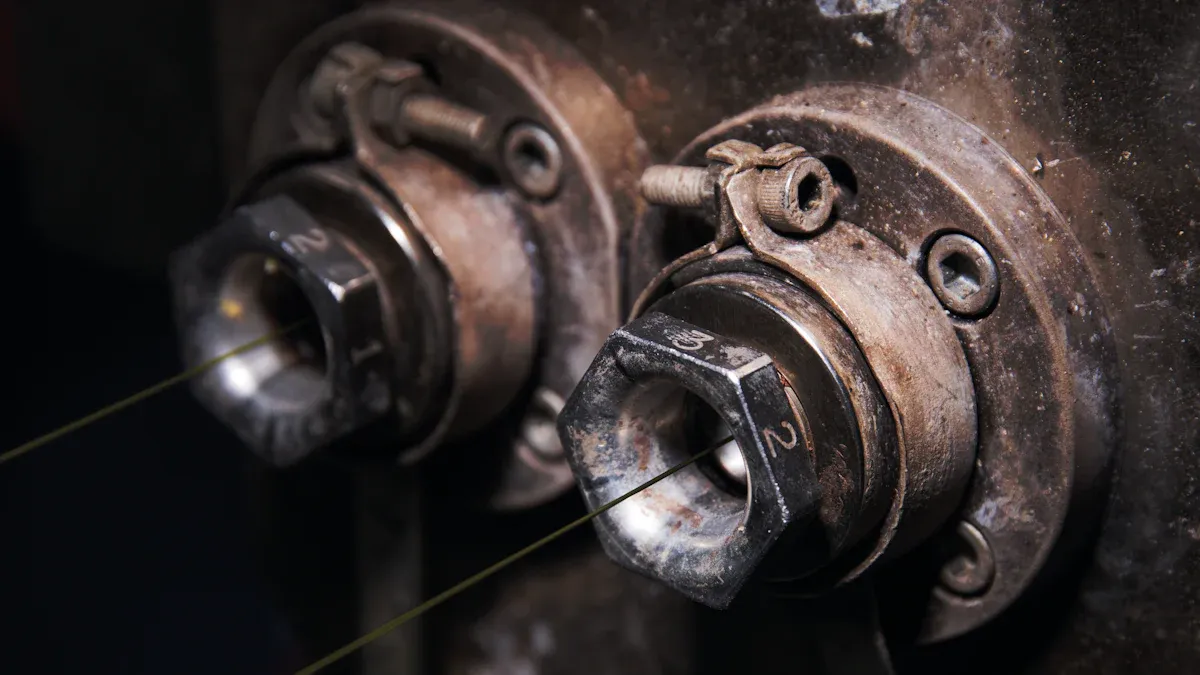
You see the cast film machine in modern manufacturing deliver high-speed production with consistent quality. Automation and advanced controls help you achieve precise thickness and excellent optical clarity. You rely on this process for efficient film cooling and winding. The technology supports many application types, including protective films and food pouches.
Here are some common uses in manufacturing:
| Application Type | Description |
|---|---|
| Wound Care | Films used for medical dressing and care. |
| Baby Diapers | Films used in absorbent products. |
| Pouches | Films used for packaging food and other products. |
You use a cast film machine to produce thin plastic films for packaging and other applications. This machine works by melting plastic pellets and pushing the melted material through a flat die. The melted plastic lands on a cool, smooth roller called a chill roll. The chill roll quickly cools the film, giving it a glossy and clear appearance. You control the thickness and width of the film with high precision. The cast film machine helps you create films that look smooth and have even thickness.
Tip: You can rely on the cast film machine for high-speed production and consistent quality, especially when you need films with excellent clarity.
You start the cast film process by feeding plastic pellets into the extruder. The extruder heats and melts the pellets. The melted plastic moves through a slot die, forming a thin sheet. The sheet lands on the chill roll, which cools it quickly. Fast cooling gives the film a shiny surface and keeps the thickness uniform. You can adjust the speed and temperature to control the film’s properties.
Here is a table showing the main operational principles of the cast film process:
| Principle | Description |
|---|---|
| Speed of Quenching | Quick cooling leads to films that have excellent gloss and clarity. |
| Thickness Uniformity | A chill roll helps in achieving even thickness as well as smooth surfaces. |
| Control of Width and Thickness | Easier control compared to blown films, allowing for accurate sizes required by different applications. |
You benefit from the cast film process because it uses fast cooling and precise controls. You get films with high optical clarity and smooth surfaces. You also find it easier to make films with the exact thickness and width you need.
You may wonder how cast film compares to blown film. Both methods use extrusion, but they work differently. Cast film uses a flat die and a chill roll for cooling. Blown film uses a circular die and air to cool the film. Cast film cools faster and produces smoother, clearer films. Blown film cools slower and often creates films with more flexibility.
Here is a table comparing the two methods:
| Feature | Cast Film Manufacturing | Blown Film Manufacturing |
|---|---|---|
| Extrusion Method | Flat die extrusion onto a chill roller | Circular die, upward blown bubble |
| Cooling Method | Water-cooled rollers | Air-cooled (slower cooling) |
| Production Speed | Faster, continuous process | Slower, more complex process |
You notice that cast film manufacturing gives you higher efficiency and lower costs per roll. You can produce more film in less time. Blown film manufacturing takes longer and costs more to set up, but it can make stronger and more flexible films.
When you look at the mechanical properties, you see these key differences:
Cast films have excellent clarity and gloss because of rapid cooling.
Cast films show highly uniform thickness, which is important for barrier properties.
Blown films are more flexible and can handle more mechanical stress.
You choose cast film when you need clear, smooth, and uniform films for packaging. You pick blown film when you need flexible films that can stretch without breaking.
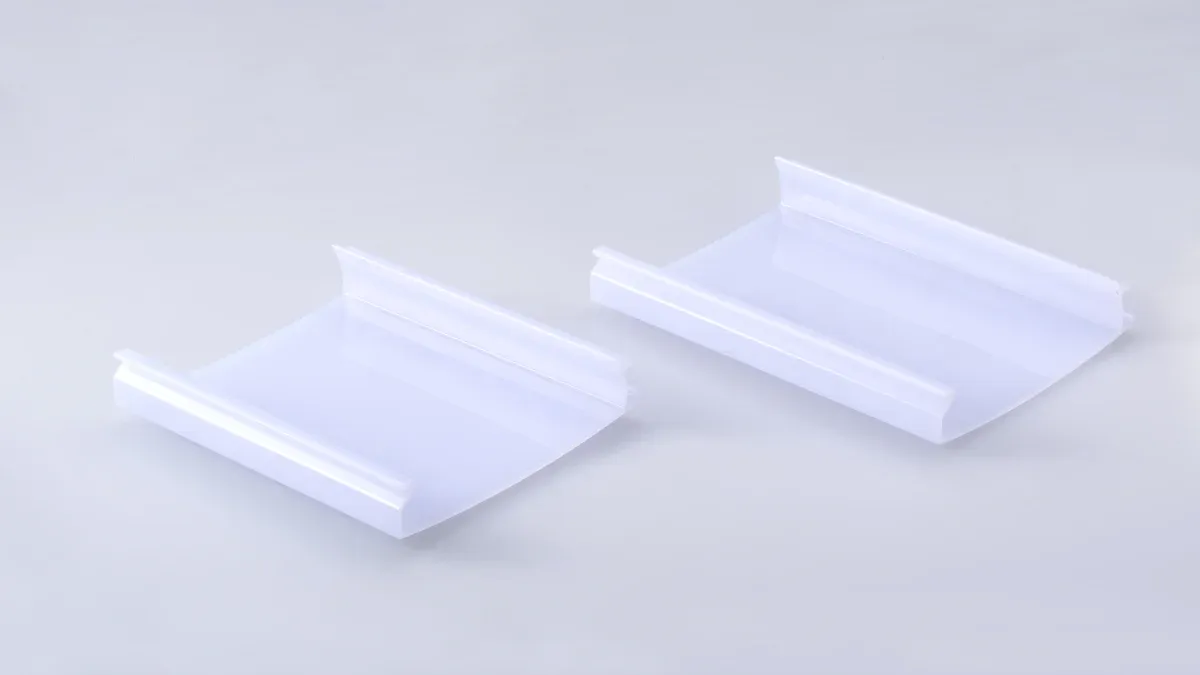
You start the cast extrusion process with the extruder. This machine melts plastic pellets and pushes the molten material forward. The extruder uses a rotating screw inside a heated barrel. You can control the temperature and speed to match the type of plastic you use. Different extruder models handle various materials like PP, PE, PVC, PS, and PET. You can adjust the screw diameter and speed to get the right melt flow.
Here is a table showing typical extruder specifications for cast extrusion:
| Specification | Details |
|---|---|
| Model | ZL-3063 |
| Applicable materials | PP, PE, PVC, PS, PET, etc. |
| Screw diameters (mm) | 25 or customized |
| Screw rotating speed (rpm) | 0-95 (adjustable) |
| Screw L/D ratio | 33 |
| Temperature range (℃) | Rotor temperature -300℃ |
| Film thickness (mm) | 0.03-0.5 |
| Film width (mm) | 250 (customized) |
| Die width (mm) | 300 (customized) |
| Working voltage | 350V50Hz/3 phases or Customized |
| Motor power (kw) | 2.2 |
| Total Power (kw) | 7 |
| Control mode | SIEMENS PLC Control |
You rely on the extruder to deliver a steady, uniform melt. This step is crucial for making films with even thickness and good clarity.
After the extruder, you use the slot die to shape the molten plastic into a thin, flat sheet. The slot die controls the width and thickness of the film. You can adjust the pump rate and coating speed to fine-tune the film’s properties.
| Parameter | Effect on Film Thickness and Uniformity |
|---|---|
| Pump Rate | Increasing pump rate increases wet layer thickness. |
| Coating Speed | Higher coating speed decreases wet layer thickness. |
| Slot Die Geometry | Affects stability of the meniscus and fluid transfer. |
Excessive pumping can lead to defect spilling.
Insufficient coating speeds can cause defect breakup.
Adjusting pump rate and coating speed can compensate for defects.
The height of the slot die also matters. Raising the slot die helps stretch the meniscus, which can reduce spilling defects. Lowering the die can help prevent streaking and breakup. You use these adjustments to keep the film uniform and free from defects during cast extrusion.
Once the molten film leaves the slot die, it lands on the chill roll. The chill roll cools the film quickly and sets its final thickness and surface finish. You need to pay close attention to the surface of the chill roll.
The chill roll’s surface finish affects the optical clarity and smoothness of the film.
A rough roll can scuff the film or cause sticking, which lowers clarity.
An overly smooth roll can create a vacuum, leading to sticking and a poor surface finish.
Proper surface roughness gives traction, releases air, and can add texture. These factors help you achieve the desired clarity and quality.
You control the temperature and speed of the chill roll to get the best results. This step is key for making films that look clear and feel smooth.
You rely on the winder to finish the cast film process. The winder collects the cooled film and rolls it into large, neat rolls. You need a winder that works smoothly and keeps the film tension steady. If the tension changes, you might see wrinkles or uneven edges. You can adjust the winder speed to match the output from the chill roll. This helps you avoid slack or stretching in the film.
Modern winders use advanced technology to improve your results. You see several new features in today’s machines:
Artificial Intelligence (AI) helps you monitor the winding process in real time. AI can adjust the tension and speed automatically. You get better product quality and less waste.
Multi-layer co-extrusion lets you wind films with up to 11 layers. You can make films with strong barrier properties and high mechanical strength. This technology gives you more options for packaging and protection.
Automation and IoT integration allow you to check production metrics from anywhere. You can track roll diameter, tension, and speed using remote devices. This reduces downtime and keeps your quality consistent.
Enhanced cooling systems speed up the solidification of the film before winding. You can run the machine faster without losing quality. High-speed cooling helps you increase production rates.
You use these advancements to make your workflow more efficient. You spend less time fixing problems and more time producing high-quality film. You can also switch between different film types quickly. This flexibility helps you meet changing market demands.
When you set up the winder, you choose the right core size and roll width. You can program the winder to stop automatically when the roll reaches a set diameter. Some winders have sensors that detect defects or breaks in the film. If a problem occurs, the winder stops and alerts you. You can fix the issue before it affects the whole roll.
Tip: Regularly check the winder’s alignment and tension settings. This helps you avoid film defects and keeps your rolls uniform.
You see that modern winders play a key role in cast film manufacturing. They help you maintain quality, boost efficiency, and adapt to new technologies.
You begin the cast film process by feeding plastic pellets into the extruder. The extruder heats these pellets until they melt and form a smooth, viscous liquid. You monitor several critical parameters during this stage to ensure the quality of your cast film.
| Parameter | Description |
|---|---|
| Melt Viscosity | Controls how easily the melted plastic flows through the extruder. High viscosity can cause poor extrusion quality. |
| Melt Pressure | Shows the stability of the process. You measure it at different points to keep the flow consistent. |
| Temperature Control | Maintains the right properties of the melt and prevents defects in the final film. |
You pay close attention to melt viscosity. If the viscosity is too high, you may see defects in your cast film. Melt pressure helps you check the stability of the extrusion process. You use sensors to measure melt pressure at the die. Consistent pressure means you get a uniform film. Temperature control is vital. You set the right temperature to keep the melt flowing smoothly and to avoid problems in the finished product.
Tip: You can use a gear pump to keep melt pressure steady. This helps you produce cast film with fewer defects.
Inside the extruder barrel, the polymer melt moves through regions of high and low pressure. Kneading blocks and melt seals create high-pressure zones. Large-pitch conveying elements form low-pressure areas. You adjust these elements to control how the melt flows and mixes.
Once the plastic melts, you push it through the slot die. This step shapes the melt into a thin, flat sheet. You control the width and thickness of the sheet by adjusting the slot die settings. The extrusion process is precise. You set the pump rate and coating speed to match your desired film thickness.
You rely on the slot die to create a uniform sheet. If you increase the pump rate, you get a thicker layer. If you speed up the coating, the layer becomes thinner. You also adjust the slot die geometry to keep the flow stable. These controls help you avoid defects like streaks or spills in your cast film.
You guide the molten sheet onto the chill roll. The chill roll is a smooth, cooled cylinder. It receives the hot sheet and starts the cooling process. You set the speed and temperature of the chill roll to match your production needs.
Note: The extrusion and casting steps are crucial for achieving the right thickness and clarity in your cast film. You must monitor these settings closely.
After casting, you cool the film rapidly on the chill roll. Fast cooling is essential for producing cast film with high clarity and a glossy finish. You use water-cooled rollers to lower the temperature quickly. This method ensures that the film solidifies evenly and maintains a consistent thickness.
Rapid cooling gives your cast film a shiny, clear appearance.
You achieve uniform thickness across the entire sheet.
Cast PP films offer excellent clarity and strong mechanical properties.
You choose the cooling rate based on the type of plastic and the desired film properties. If you cool the film too slowly, you may see haze or uneven thickness. Fast cooling helps you avoid these problems and produce high-quality cast film for packaging and other uses.
Tip: You can adjust the chill roll temperature to fine-tune the clarity and thickness of your cast film. Lower temperatures usually improve optical properties.
You finish the cooling stage with a solid, smooth film. You prepare it for trimming and winding, ready for use in many applications.
After cooling and solidifying, you move to the trimming and winding stage. This step shapes the final film and prepares it for shipment or further processing. You trim the film edges to remove any uneven or excess material. This gives you a clean, uniform width. You collect the trimmed edges and recycle them back into the process, which helps you reduce waste.
You use sharp knives or rotary blades to cut the film. You must keep these blades clean and sharp. Dull or dirty blades can cause jagged edges or even tear the film. You check the alignment of the knives often. Proper alignment ensures straight cuts and prevents film defects.
You also need to control the tension during winding. If the tension is too high, the film can stretch or wrinkle. If the tension is too low, the roll may become loose or uneven. You set the right tension based on the type of film you produce. You use sensors and control systems to monitor and adjust the tension automatically.
Tip: Stable tension and sharp blades help you achieve smooth, defect-free rolls every time.
To keep your trimming and winding process efficient and minimize waste, you should follow these best practices:
Condition your materials in the production area for 24-48 hours. This stabilizes temperature and humidity.
Inspect master rolls for defects before you start processing.
Set tension parameters that match the properties of your film.
Clean cutting surfaces and remove debris every day.
Check the sharpness and alignment of your knives each week.
Calibrate your tension control systems once a month.
You wind the finished film onto large rolls. You choose the core size and roll width based on customer needs. Modern winders let you program automatic stops when the roll reaches a set diameter. Some systems even detect defects or breaks and alert you right away.
A well-managed trimming and winding process gives you rolls with even edges, consistent thickness, and high optical clarity. You save material, reduce downtime, and deliver a better product to your customers.
You manage the cast film machine using advanced process control systems. These systems help you keep every step of production consistent. You set parameters like temperature, pressure, and speed for each part of the machine. Automated sensors track these values in real time. If a sensor detects a change, the system adjusts the settings automatically. This keeps your film thickness and clarity steady.
You use programmable logic controllers (PLCs) to run the machine. PLCs let you store recipes for different film types. You switch between products quickly by loading a new recipe. You also monitor web tension and coating speed. Stable tension prevents wrinkles and uneven edges. You rely on these controls to produce high-quality film with less waste.
Tip: Regularly review your process data. This helps you spot trends and prevent problems before they affect your film quality.
You check the quality of your cast film using several techniques. Modern machines use sensors and cameras to inspect the film as it moves through the line. You look for defects like streaks, bubbles, or uneven thickness. You also test samples to make sure the film meets your standards.
Here is a table showing the most effective quality monitoring techniques in cast film manufacturing:
| Technique | Description |
|---|---|
| Environmental Control | You regulate temperature, humidity, and dust levels to keep coating conditions optimal. |
| Process Parameter Monitoring | You track web tension, coating speed, and drying conditions with control systems to maintain quality. |
| Accelerated Aging Tests | You test samples under simulated conditions to check long-term stability and performance. |
| Traceability Systems | You assign unique identifiers to each film roll. This links production data and helps you find the cause of any issue. |
You use traceability systems to link each roll to its production settings. If you find a defect, you can trace it back and fix the root cause. You also run accelerated aging tests to see how your film performs over time. These steps help you deliver reliable products to your customers.
You keep your cast film machine running smoothly by following a regular maintenance schedule. Daily tasks include cleaning the machine body and control panels. You check hydraulic and pneumatic systems for any unusual noise or scratches. You inspect sensors to make sure they work correctly.
Each week, you deep clean the guide rails and lubricate moving parts. You calibrate camera positioning accuracy to keep your inspections sharp. Monthly tasks include checking coupling clearance and belt tension. You replace high-temperature grease to protect moving parts.
Daily Tasks: Clean machine body and control panels. Check hydraulic and pneumatic systems. Inspect sensors for problems.
Weekly Tasks: Deep clean guide rails. Lubricate moving parts. Calibrate camera positioning accuracy.
Monthly Tasks: Check coupling clearance (≤0.03mm) and belt tension (vibration <4mm/s). Replace full-synthetic high-temperature grease.
Note: If you install new equipment, you need extra maintenance during the first month. Check the machine twice daily, perform weekly maintenance every three days, and do monthly checks every fifteen days.
You follow these steps to prevent breakdowns and keep your production line efficient. Regular maintenance helps you avoid costly repairs and ensures your cast film machine delivers top performance every day.
You see digital controls changing how you operate cast film machines. Modern systems use advanced motors and sensors to give you better reliability and control. You now use AC motors instead of older DC motors. AC motors help you run the extruder screw with less maintenance and more consistent performance. Torque motors provide direct drive for the screw, which means you get smoother and more uniform motion. This helps you make films with even thickness.
You also benefit from new cooling systems. Motorized roll positioning lets you align the chill roll with high precision. You can adjust the roll position to control film thickness and surface quality. These digital innovations make your job easier and help you produce better films.
AC motors replace DC motors for extruder screw control, giving you reliability and low maintenance.
Torque motors offer direct drive, improving uniformity in screw motion.
Motorized roll positioning allows precise alignment and thickness control.
Tip: You can use digital controls to fine-tune your process and quickly respond to changes in production needs.
You want to lower your energy costs and reduce your impact on the environment. Cast film machines now use energy-efficient motors and variable frequency drives. These technologies help you save electricity while keeping your production speed and quality high. You notice that your operational costs go down when you use these systems.
Variable frequency drives let you adjust motor speed to match your process needs. You only use as much energy as you need, which prevents waste. Case studies show that liquid-cooled variable frequency drives in film extrusion can lead to significant savings. You also help protect the environment by using less power.
Energy-efficient motors and variable frequency drives cut electricity use.
You maintain high performance while saving energy.
Lower energy consumption means reduced operational costs and a smaller environmental footprint.
Note: You can track your energy use and see real savings when you upgrade to efficient motors and drives.
You see Industry 4.0 changing the way you manage cast film production. Smart factories use connected systems and advanced software to improve every step of the process. You can monitor your equipment from anywhere using cloud-based tools. Real-time data helps you spot problems before they affect your product.
Here is a table showing the main features of Industry 4.0 integration in cast film manufacturing:
| Feature | Description |
|---|---|
| AI and Machine Learning | Real-time quality control and predictive maintenance capabilities. |
| High-speed Casting Lines | You produce films at speeds over 600 meters per minute. |
| Multi-layer Nano-casting | You develop ultra-thin, high-performance films. |
| IoT and Cloud Integration | You manage equipment remotely with monitoring systems. |
| Modular Casting Systems | You gain flexibility and scalability in production. |
| Advanced Die Design | You improve melt flow and layer uniformity. |
| Recycled Resins Processing | You process 100% recycled materials with specialized equipment. |
You use AI and machine learning to check film quality and predict when maintenance is needed. High-speed casting lines let you produce more film in less time. Multi-layer nano-casting helps you create films with special properties for new markets. IoT and cloud integration give you control over your machines from any location. Modular systems make it easy to scale up or change your production. Advanced die designs improve the flow of melted plastic and keep layers even. You also process recycled resins, which supports sustainability.
With Industry 4.0, you stay ahead in cast film manufacturing by using smart technology and flexible systems.
You gain many benefits when you use a cast film machine in your manufacturing process. Cast film technology gives you a clear and glossy finish, which makes your products look attractive and professional. You notice that cast films unwind with less noise, so your work environment stays quieter. You also find it easier to stretch and control the thickness of the film. This helps you meet strict packaging standards and customer requirements.
Here is a table that compares cast film with blown film:
| Advantage | Cast Film | Blown Film |
|---|---|---|
| Visual Clarity | Clear, glossy finish | Hazy and dull |
| Unwind Noise | Quieter operation | Louder |
| Stretching Control | Easier to stretch and control | More difficult |
| RFID Compatibility | Greater success | Less effective |
You see that cast film machines offer better visual clarity. Your products stand out on store shelves because the film looks smooth and shiny. You also experience less noise when you unwind the rolls, which makes your workspace more comfortable. Cast film lets you control the stretching process with greater accuracy. You can adjust the gauge and thickness to match your needs. This flexibility helps you produce packaging for many different products.
Clear optics for better visibility
Quieter unwinding process
Easier to stretch and control gauge
You also benefit from RFID compatibility. Cast films work well with RFID tags, so you can track and manage your products more easily. This feature supports modern supply chain systems and improves your inventory control.
Tip: Choose cast film machines when you need high-quality packaging with excellent clarity and easy handling.
You face some challenges when you operate cast film machines. The price of raw materials, such as PVC resin and plasticizers, can change quickly. These fluctuations affect your production costs and make budgeting harder. You must watch the market and adjust your purchasing plans often.
Environmental concerns also play a big role. Many regulations focus on reducing pollution from PVC and other plastics. You need to follow strict rules, which can increase your compliance costs. You may need to invest in new equipment or change your production methods to meet these standards.
Competition from alternative materials is another issue. Polyethylene and biodegradable films are becoming more popular. Customers want eco-friendly options, so you must adapt your products to stay competitive. You may need to research new materials or update your machines.
Technical limitations can affect your results. Producing ultra-thin cast films with uniform thickness is difficult. You must monitor your process closely to avoid defects like streaks or uneven layers. This requires advanced control systems and skilled operators.
Here is a table that summarizes the main challenges:
| Challenge | Description |
|---|---|
| Raw Material Price Volatility | Fluctuations in the cost of PVC resin and plasticizers directly impact production expenses. |
| Environmental Concerns and Regulations | Increasing scrutiny over PVC usage due to pollution concerns imposes compliance costs. |
| Competition from Alternative Materials | Rising use of polyethylene and biodegradable films challenges traditional cast PVC films. |
| Technical Limitations | Maintaining uniform thickness and eliminating defects in ultra-thin cast films is challenging. |
Note: You can overcome many limitations by investing in new technology and training your team. Stay informed about market trends and regulations to keep your production efficient and competitive.
You see cast film used in many packaging applications. Food packaging stands out as one of the main markets. You rely on cast film for its clarity and smooth surface, which helps you display products attractively. Personal care products also benefit from cast film. You use it to wrap items like baby diapers and wound care dressings. The film protects the contents and keeps them fresh. You find cast film machine applications in pouch packaging for snacks, sauces, and ready-to-eat meals. The film’s uniform thickness gives you reliable barrier properties. You choose cast film when you need packaging that looks professional and keeps products safe.
Tip: You can select cast film for packaging that requires high optical clarity and smoothness. This helps you meet strict standards in food and personal care industries.
You use cast stretch film in warehousing, e-commerce, and food & beverage sectors. The casting process gives you a film that is smoother and clearer than other types. You find cast stretch film ideal for environments where noise reduction matters. The film unwinds quietly, which makes your workspace more comfortable. You scan barcodes easily because cast stretch film offers excellent clarity. You save money since the production process is efficient and lowers costs.
Here is a table comparing cast stretch film with blown stretch film:
| Characteristic | Cast Stretch Film | Blown Stretch Film |
|---|---|---|
| Clarity | Clearer and shinier | Less clear |
| Noise during unwinding | Unwinds quietly | Makes more noise |
| Puncture resistance | Moderate | Very resistant to puncture |
| Tear propagation resistance | Resists tear propagation | Lower resistance |
| Best applications | Warehousing, e-commerce, food & beverage | Manufacturing, industrial, heavy-duty shipping |
You notice cast stretch film works best for wrapping pallets and securing goods in storage. You use it in e-commerce to protect packages during shipping. The film’s clarity helps you identify products quickly. You rely on cast stretch film for food and beverage packaging because it keeps items fresh and visible. You choose cast stretch film when you want a quiet, smooth, and cost-effective solution.
Manufactured using a casting process for a smoother, clearer film.
Offers excellent clarity for scanning and product identification.
Quiet unwinding benefits noise-sensitive environments.
Lower cost due to efficient production.
You find cast film machine applications expanding into new areas. Agriculture uses cast film for greenhouse covers and mulch films. You see industrial packaging adopt cast film for protective wraps and liners. Automotive parts now use cast film for surface protection and component packaging. You rely on cast film for protective films in electronics and appliances. The film shields surfaces from scratches and dust during transport.
Emerging trends show cast film moving toward sustainable packaging solutions. You see manufacturers develop biodegradable and recyclable cast film for eco-friendly applications. You expect future uses in smart packaging, where cast film integrates sensors or RFID tags. You watch cast film technology evolve to meet new demands in agriculture, automotive, and industrial sectors.
You stay ahead by exploring cast film machine applications in growing markets like sustainable packaging and smart protective films.
You rely on a cast film machine to boost efficiency and quality in manufacturing. This technology helps you produce clear, uniform films for packaging, medical, and automotive uses.
The cast film machine increases production speed and supports eco-friendly practices.
You see strong market growth, with global demand expected to reach USD 9.8 billion by 2032.
Smart features, AI, and IoT will shape future cast film machine designs, making your operations more precise and sustainable.
You stay competitive by choosing cast film machines that deliver high-quality results and adapt to new industry trends.
You can use polypropylene (PP), polyethylene (PE), polyvinyl chloride (PVC), polystyrene (PS), and polyethylene terephthalate (PET). Each material gives you different film properties for packaging, medical, or industrial uses.
You adjust the slot die settings and chill roll speed. Sensors help you monitor thickness in real time. You can make quick changes to keep the film uniform and meet your specifications.
You cool cast film quickly on a chill roll. Fast cooling prevents haze and keeps the surface smooth. This process gives you a glossy, clear film that works well for packaging.
You clean the machine daily, check sensors, and inspect moving parts. You lubricate guide rails weekly and replace grease monthly. Regular maintenance helps you avoid breakdowns and keeps your production line efficient.
You can collect trimmed edges and scrap film. You feed these materials back into the extruder. Recycling helps you reduce waste and lower your production costs.
You get high optical clarity, smooth surfaces, and consistent thickness. Cast film unwinds quietly and works well with RFID tags. You can meet strict packaging standards and improve product appearance.


