Founded in 2006, XHD has become a major manufacturer in the industry.
Email : sales01@xhdjx.com
Please Choose Your Language

Views: 0 Author: Site Editor Publish Time: 2025-12-12 Origin: Site


A properly functioning plastic film rewinder is essential for ensuring smooth and efficient production in industries that rely on precise film winding, such as packaging and printing. When the rewinder operates correctly, it ensures that the film is wound evenly, without defects, and is ready for storage, transport, or further processing. However, common issues like uneven winding, wrinkles, and film jams can disrupt the production process, leading to delays, material waste, and increased costs. These malfunctions are often caused by improper tension control, misalignment, or improper machine settings. Regular maintenance and quick troubleshooting are crucial in preventing such problems. By addressing issues early and performing routine checks, manufacturers can minimize downtime, enhance productivity, and ensure consistent film quality throughout the production process.
Uneven winding is a common issue in plastic film rewinders, typically caused by uneven tension or incorrect machine settings. When the tension control is not properly calibrated, one side of the film may be wound tighter than the other, leading to an uneven roll. Additionally, incorrect machine settings, such as the wrong speed or temperature, can cause the film to wind inconsistently. This results in uneven thickness or roll shape, which can cause problems during further processing or packaging.
Wrinkling or stretching of the film is often a result of improper tension control or incorrect speed settings. If the tension is too high, the film may stretch, leading to distortion and reduced quality. On the other hand, if the tension is too low, the film can develop wrinkles as it is loosely wound onto the roll. Similarly, incorrect speed settings can cause the film to move too quickly or too slowly, leading to either stretching or uneven distribution of the material, both of which affect the quality of the final roll.
Film jamming can occur due to several reasons, often related to incorrect alignment or improper reel handling. When the film is not aligned properly on the rewinder, it can cause the film to get caught, leading to jams. Buildup of debris or material on the rollers or guides can also obstruct the smooth movement of the film, leading to blockages. Additionally, improperly positioned reels or incorrect tension can cause the film to bind, resulting in jams that halt the production process.
Overlapping or misalignment of the film occurs when there is an issue with positioning or sensor malfunctions. If the film is not properly aligned on the rewinder or if the positioning system is inaccurate, the film can overlap, leading to uneven rolls. Malfunctioning sensors that control the film's position can also cause the machine to misalign, resulting in a poor-quality roll or film spillage. This misalignment can lead to increased waste and inefficient production if not corrected quickly.
The first step in troubleshooting a malfunctioning rewinder is to inspect the tension control. Improper tension settings are often the root cause of issues like uneven winding, wrinkling, or stretching. Ensure that the tension is properly calibrated to maintain uniform film winding. If the tension is too tight or too loose, adjust the settings accordingly. Proper tension control ensures that the film is wound evenly and without defects, improving both the quality of the final product and the efficiency of the process.
Next, carefully examine the film path for any signs of misalignment. Misalignment can cause the film to be wound unevenly, leading to defects like overlapping or inconsistent rolls. Check for any obstructions or irregularities in the rollers or guides that may be affecting the film's movement. If any misalignment is detected, realign the film path to ensure smooth, consistent winding. Proper alignment is crucial for preventing jams and ensuring the film is wound evenly onto the roll.
Inspect the film for any signs of damage, such as tears, creases, or weak spots, that could affect the rewinding process. Additionally, check for any debris or buildup around the rollers, guides, or other components. Dust, dirt, or film remnants can disrupt the film’s smooth movement, leading to jams or poor-quality rolls. Clean the machine thoroughly, especially around the rollers and guides, to ensure there are no obstructions. Keeping the equipment clean is essential for smooth and efficient operation.
Finally, ensure that the speed and temperature settings of the rewinder are appropriate for the specific film material being used. Different film types, such as polyethylene or polypropylene, require different settings to prevent stretching, wrinkling, or uneven winding. Check that the speed is not too high for the film type, and adjust the temperature if necessary to ensure the film is rewound at the optimal conditions. Properly adjusted settings contribute to the overall quality of the finished film roll and enhance production efficiency.
Regular lubrication of the rewinder's moving parts is essential to ensure smooth operation and reduce wear. Lubrication minimizes friction between components such as rollers, gears, and motors, helping to extend their lifespan and prevent overheating or damage. Make sure to follow the manufacturer's recommendations for lubrication intervals and use the appropriate type of lubricant to maintain optimal machine performance.
Keeping the rewinder clean is critical for preventing debris buildup, which can disrupt the winding process. Regularly clean the rollers, guides, and surrounding areas to remove dust, dirt, or film remnants that may cause jams, misalignment, or uneven winding. A clean machine runs more efficiently and reduces the risk of defects or downtime caused by obstructions in the film path.
Inspect the rewinder’s components—such as rollers, motors, and belts—for signs of wear and tear. Worn-out parts can lead to inefficiency, damage to the film, or even complete machine failure. Replace any worn or damaged components before they cause further issues. Proactively maintaining these parts helps avoid unplanned downtime and costly repairs.
Ensure that sensors, alignment mechanisms, and other control systems are regularly calibrated to maintain accurate operation. Misaligned sensors or improperly calibrated mechanisms can result in uneven winding, film jams, or other quality issues. Set a routine to monitor and adjust the calibration, ensuring that the rewinder is operating at peak performance and delivering consistent results.
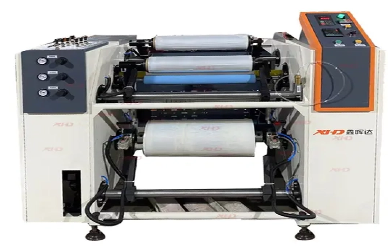
While basic troubleshooting and maintenance can resolve many issues with a plastic film rewinder, some situations require professional assistance. Here are key scenarios when it’s time to contact a technician:
If problems like uneven winding, film jams, or stretching continue despite adjustments to tension, alignment, and speed, the issue may be internal. This could involve worn-out parts or faulty systems that need professional diagnosis and repair.
Issues like motor failure, gearbox problems, or other mechanical breakdowns require specialized expertise. Unusual noises or vibrations, or a complete stop in machine operation, signal the need for professional inspection and repair.
When electrical or control systems (like malfunctioning sensors or PLC issues) fail, basic troubleshooting won’t be sufficient. A technician is needed to diagnose and fix these problems to restore proper machine function.
If calibration systems, such as sensors or alignment mechanisms, cannot be fixed through manual adjustments, professional help is required. Accurate calibration is essential for consistent film quality and machine operation.
Consistent problems with film quality, such as wrinkles, tears, or inconsistent thickness, that don’t improve with setting adjustments, often indicate a deeper mechanical or internal issue requiring professional repair.
A1: Uneven rolls are often caused by improper tension settings or misalignment of the film. Check and adjust the tension control system, and verify that the film path is aligned correctly.
A2: Wrinkles and stretching are typically caused by incorrect tension or speed settings. Adjust the tension control and ensure that the rewinder's speed and temperature are suitable for the film material being processed.
A3: Film jams may occur due to misalignment, buildup of debris, or improper reel handling. Inspect the machine for alignment issues, clear any debris, and check that the reels are positioned correctly.
A4: Regular maintenance should be performed monthly, including lubrication, cleaning, and checking for wear and tear. More frequent checks are recommended if the machine is running at high speeds or processing large volumes of film.
In summary, while basic troubleshooting and routine maintenance can resolve many common issues with a plastic film rewinder, certain problems require professional expertise. If persistent malfunctions, mechanical failures, electrical issues, or severe film quality problems occur, it’s crucial to call in a technician. Professional repairs ensure that your rewinder operates efficiently, minimizing downtime and maintaining consistent film quality. Timely intervention by an expert helps protect your equipment, improves production efficiency, and extends the lifespan of the machine.


