
Views: 0 Author: Site Editor Publish Time: 2025-09-25 Origin: Site


Keeping your packaging line efficient and reliable requires more than just high-quality equipment—it demands consistent maintenance and preventive care. At Guangdong Xinhuda Machinery Technology Group Co., Ltd. (XHD), our stretch film machines are engineered for stability, speed, and precision, but even the most advanced systems benefit from regular inspection and upkeep. This guide provides a detailed maintenance checklist designed to minimize unplanned downtime, extend machine life, and maintain consistent packaging performance across all product types. By following these steps, operators can ensure optimal film usage, reduce material waste, and maintain consistent pallet integrity throughout production cycles.
Daily maintenance is the first line of defense against unexpected breakdowns. A brief, focused inspection at the start of each shift ensures that your stretch film machine operates smoothly and safely. Performing these checks routinely not only prevents equipment damage but also helps operators identify minor issues before they escalate into costly problems.
Misaligned film carriages can lead to uneven wrapping, tears, or machine jams. Operators should visually inspect the carriage path and verify that rollers guide the film uniformly across the pallet. Check that the carriage moves smoothly along its track without wobbling or obstruction. Any deviation should be corrected before production begins. Proper alignment also ensures optimal film consumption, saving costs in high-volume packaging operations.
The dancer roller plays a critical role in maintaining consistent film tension. Check for smooth movement without sticking or unusual resistance. Any sticking or jerky movement can cause film overstretching, tension inconsistency, or even premature tearing. Ensuring that the dancer roller functions correctly helps achieve uniform wrapping, maintains load stability, and extends the life of both the rollers and the film.
Functional sensors are crucial for detecting pallet presence and preventing collisions. Confirm that all sensors are clean and unobstructed, and verify that optical or proximity sensors are correctly calibrated. Safety guards should be intact, firmly attached, and free of damage, ensuring operator protection and compliance with safety standards. Regular inspection of these components prevents accidents and maintains production reliability.
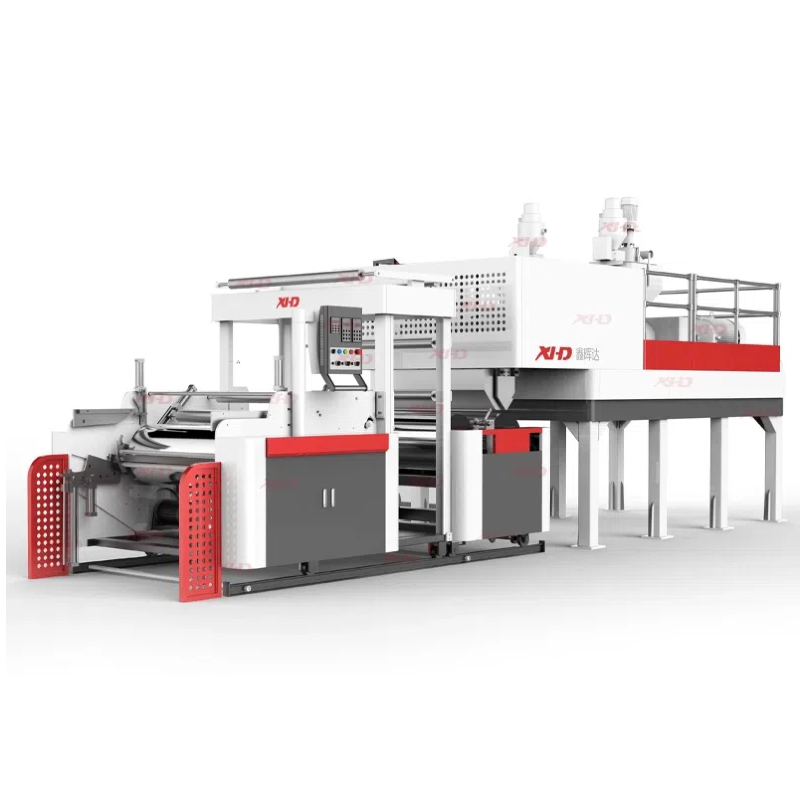
Routine maintenance beyond daily checks can significantly reduce the likelihood of mechanical failures and costly downtime. Incorporating a weekly and monthly maintenance schedule ensures that critical machine components remain in top condition.
Inspect motor bearings for signs of wear, overheating, or unusual noise. Bearings that are not properly lubricated or are showing early signs of fatigue can lead to motor failure and extended downtime. Chains and belts should be checked for proper tension, alignment, and wear. Replace any worn or frayed components promptly to maintain smooth operation and consistent load wrapping.
Identify all lubrication points according to the manufacturer’s manual. Applying the correct type and amount of lubricant at scheduled intervals prevents premature wear and ensures smooth operation of moving components. Pay attention to high-load areas such as rollers, gears, and pivot points. Over-lubrication can attract dust and debris, while under-lubrication increases friction and wear—both affect machine efficiency and film performance.
Weekly inspections of electrical connections, control panels, and wiring can catch loose connections or potential shorts. Look for signs of discoloration, burn marks, or frayed wires. Preventive electrical maintenance reduces the risk of sudden failures, enhances operational safety, and maintains consistent machine performance. For machines equipped with automated control systems, ensure that software settings remain calibrated and error logs are cleared regularly.
Even with preventive maintenance, issues such as tearing, misfeeds, or inconsistent tension may occur. A structured diagnostic approach helps quickly restore production while minimizing disruption.
Tearing Film: Often caused by misalignment or tension imbalance. Check rollers, dancer roller movement, and tension settings. Temporarily reduce wrapping speed until permanent correction. Use high-quality film rolls compatible with the machine to prevent unnecessary breakage.
Misfeeds: Typically due to improper loading, worn rollers, or debris obstructing the film path. Inspect the film carriage path, clean rollers, and adjust roller positioning. Misfeeds can cause incomplete wraps, leading to unstable pallets.
Inconsistent Tension: Can result from dancer roller issues, motor irregularities, or uneven film thickness. Check roller movement, clean bearings, and verify drive settings. Regularly calibrate the tension system to maintain uniform wrapping across different pallet sizes.
Document any recurring faults for service follow-up. This ensures that minor issues are addressed immediately while flagging potential major repairs for technicians, reducing long-term operational risks.
A well-stocked inventory of essential parts reduces downtime and keeps your stretch film machine operational without delay. Having these parts on hand allows your maintenance team to respond immediately to common failures, preserving productivity and minimizing disruptions.
Keep several replacement rollers ready. Worn rollers affect wrapping quality and may damage the film. Regular inspection of roller surfaces for scratches or uneven wear ensures smooth operation.
Maintaining spares for common electrical components ensures quick replacement if a fault occurs. Control boards, sensors, and motors are critical to machine operation, and having replacements ready reduces unplanned stoppages. Monitor and rotate spare parts stock to prevent aging or expired components.
Lubricants, cleaning agents, and protective covers are essential for daily upkeep. Regular replacement of worn belts, chains, and screws prevents operational failure and maintains consistent packaging quality.
Knowing when to escalate maintenance tasks is critical for preserving warranties and ensuring proper handling of complex issues. Properly distinguishing between minor issues and serious faults can save time, money, and maintain compliance with service agreements.
Factory service is recommended for calibration, major electrical failures, or any repairs covered under warranty. Technicians at the factory are trained to handle intricate control systems, software diagnostics, and advanced motor repair. Local technicians can handle routine repairs, component replacements, and lubrication tasks, reducing response time for smaller issues while ensuring minimal impact on production schedules.
Beyond structured maintenance, certain operational practices contribute to the long-term efficiency of your stretch film machine:
Operator Training: Ensure all operators are trained in proper loading, film threading, and tension adjustment. Knowledgeable operators reduce the risk of mechanical errors.
Environment Control: Keep the packaging area clean and dust-free. Excessive dust or humidity can affect sensor accuracy and roller operation.
Consistent Film Supply: Using the correct type and quality of film reduces tear rates and maintains uniform wrapping tension. Stocking standardized rolls reduces the need for constant adjustments.
Data Logging: Track machine performance metrics such as film consumption, downtime incidents, and tension settings. Analyzing these trends helps identify recurring issues and informs preventive maintenance planning.
Implementing a structured maintenance schedule for your stretch film machine ensures long-term reliability, reduces total cost of ownership, and keeps your production line running smoothly. Guangdong Xinhuda Machinery Technology Group Co., Ltd. offers high-performance stretch film machines designed for precision, durability, and ease of maintenance. Following this comprehensive checklist allows operators to maximize uptime, maintain consistent packaging quality, and minimize unexpected downtime. For more information about our range of stretch film machines and expert maintenance support, contact us today to ensure your packaging line achieves optimal performance.


