
Views: 0 Author: Site Editor Publish Time: 2025-10-09 Origin: Site


When it comes to modern packaging operations, efficiency, consistency, and reliability are critical for maintaining a competitive edge. Stretch film machines are a cornerstone of this process, ensuring stable loads and effective product protection across industries. At XHD Machinery, we provide a comprehensive range of stretch film machines engineered for high performance, adaptable to various production environments and automation levels. Understanding the differences between semi-automatic and fully automatic machines is crucial for operations teams aiming to maximize throughput, optimize labor, and streamline integration with other packaging systems. By carefully assessing automation options, companies can make informed decisions that improve operational efficiency while controlling costs, and also support sustainability by reducing material waste.
Automation in pallet wrapping ranges from basic manual operations to fully robotic systems, each presenting distinct implications for workflow, labor allocation, and system complexity. Selecting the appropriate automation level ensures your packaging line operates efficiently while matching production volume and floor space constraints.
Manual wrappers require operators to feed and rotate pallets by hand, providing a low-cost entry point for smaller operations. However, manual wrapping often suffers from inconsistent tension and overlapping of film, which can compromise load stability and increase material waste. Semi-automatic machines automate pallet rotation and film delivery but still require operators to initiate the wrap cycle, load film rolls, and manage pallet placement. Fully automatic stretch film machines remove the operator from the wrapping process entirely, automatically detecting pallet dimensions, adjusting tension, and executing programmed wrap sequences to achieve consistent, high-quality results. Robotic wrappers offer even greater flexibility, with programmable movement paths, variable film overlap patterns, and seamless integration into fully automated production lines. By carefully evaluating production patterns, pallet size variability, and shift scheduling, managers can choose the automation level that balances efficiency, cost, and operational adaptability.
The effect of automation on labor is often the most immediate and measurable benefit of upgrading to advanced pallet wrapping equipment. Automation can reduce physical strain, improve cycle times, and allow staff to focus on higher-value tasks, resulting in operational efficiency gains that extend beyond simple labor savings.
Semi-automatic stretch film machines typically wrap 20–40 pallets per hour, depending on operator skill, load size, and film type. One operator can manage a single machine efficiently, but multiple shifts may be required for continuous high-volume operations. Fully automatic machines, on the other hand, can handle 60–100 pallets per hour with minimal human intervention. Operators are primarily responsible for monitoring machine performance, replenishing film rolls, and performing routine maintenance. By redeploying staff to value-added tasks such as quality inspection, order preparation, or maintenance planning, companies can achieve higher overall productivity without increasing headcount. Additionally, the consistency of automated wrapping reduces damage claims and shrinkage, translating labor improvements into measurable cost savings. Facilities with varying load sizes can benefit from machines that automatically adjust film tension and overlap, further reducing manual adjustments and improving operational flexibility.
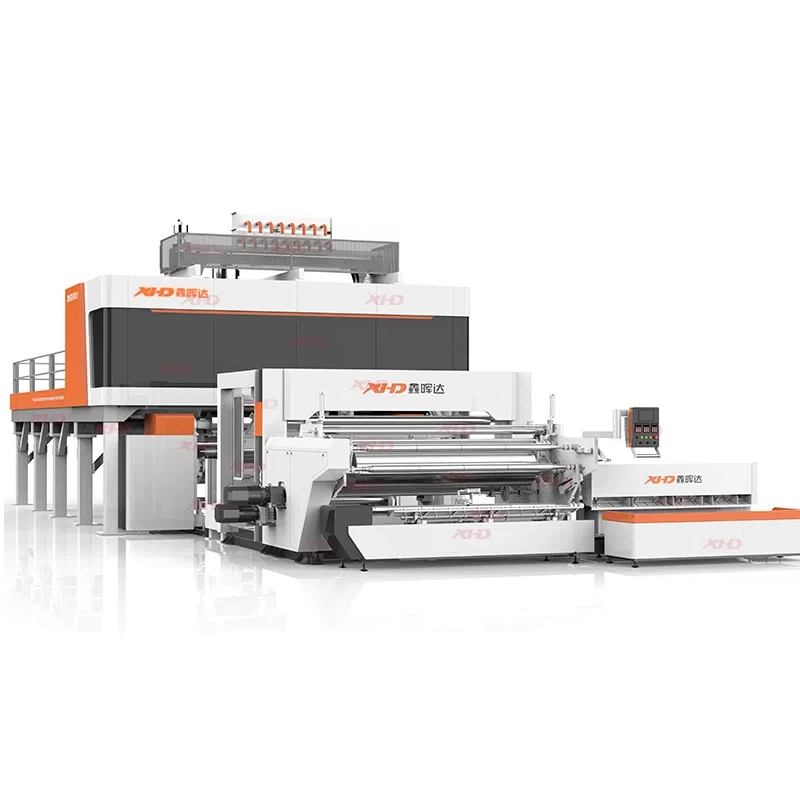
Automation is most effective when it seamlessly integrates with existing material handling systems. Stretch film machines must be compatible with conveyors, sensors, and enterprise systems to avoid bottlenecks and ensure smooth operation.
Fully automatic systems rely on sensors and PLCs to synchronize with upstream and downstream equipment. Safety zoning protects operators from moving parts, while photoeyes and load-detection sensors automatically adjust wrap parameters to match pallet size and shape. Communication protocols, such as Ethernet/IP or Modbus, enable real-time data exchange with warehouse management systems (WMS) and enterprise resource planning (ERP) platforms. This connectivity allows managers to track production metrics, monitor machine performance, and anticipate maintenance needs. Semi-automatic machines generally have simpler integration options, connecting primarily with conveyor systems or basic plant monitoring devices. For facilities planning multi-line production or future expansion, considering integration flexibility during the initial purchase ensures that automation aligns with long-term operational goals and minimizes future upgrade costs.
Investing in automated stretch film machines requires careful evaluation of upfront costs, operational savings, and long-term benefits. With proper planning, the returns can justify even significant initial expenditures.
Fully automatic stretch film machines optimize film usage by precisely controlling tension and overlap, often reducing material consumption by up to 20% compared to semi-automatic or manual wrapping. Labor costs decrease as fewer operators are needed, and cycle times become faster and more predictable. Reduced human error also leads to fewer damaged shipments, lowering indirect costs associated with lost product or customer dissatisfaction. Furthermore, XHD Machinery designs machines with robust construction and reliable components, resulting in higher uptime and reduced maintenance requirements. When evaluating ROI, it is essential to consider not only immediate labor and material savings but also long-term improvements in operational stability, quality consistency, and compliance with packaging standards. Incorporating energy efficiency and reduced material waste into ROI calculations further highlights the environmental and financial benefits of automation.
A successful automation implementation requires careful planning, training, and preparation to maximize benefits without disrupting ongoing operations.
Start by conducting pilot runs to validate machine performance under real production conditions. Evaluate wrap quality, cycle times, and throughput to confirm the system meets operational expectations. Train operators thoroughly on machine interface, safety protocols, and film-loading procedures to ensure consistent performance. Maintain a stock of essential spare parts, including rollers, motors, and sensors, to minimize downtime in the event of unexpected maintenance needs. Scheduling regular preventive maintenance, along with proper documentation of operating procedures, further ensures long-term reliability. For operations with seasonal demand fluctuations, temporary adjustment of wrapping parameters or scheduling additional semi-automatic machines during peak periods can help maintain efficiency without large capital expenditure. By following a structured rollout, companies can achieve a smooth transition to automated wrapping while maximizing productivity and minimizing operational risk.
Selecting the right stretch film machine is a strategic decision that balances production volume, labor considerations, integration complexity, and budget constraints. Semi-automatic machines are ideal for moderate throughput environments where flexibility and operator control are valuable. Fully automatic machines maximize efficiency, reduce labor dependency, and integrate seamlessly with smart production lines, providing consistent wrap quality, improved material usage, and long-term reliability. At XHD Machinery, our stretch film machines are engineered for precision, durability, and ease of use, delivering high-performance solutions for a wide range of industrial packaging needs. Businesses looking to enhance pallet wrapping efficiency can rely on XHD Machinery to provide machines that meet current production demands while remaining adaptable for future growth.
Contact us at XHD Machinery today to explore our complete range of stretch film machines and discover the optimal solution for your packaging operations.


