Founded in 2006, XHD has become a major manufacturer in the industry.
Email : sales01@xhdjx.com

Views: 0 Author: Site Editor Publish Time: 2025-10-14 Origin: Site


Efficient and safe operation of stretch film machines is essential for any packaging facility. At Guangdong Xinhuda Machinery Technology Group Co., Ltd. (XHD), we provide high-quality stretch film machines designed not only for productivity but also for operator safety. Ensuring that your team is trained in proper handling, operational procedures, and safety protocols minimizes accidents, protects equipment, and improves overall workflow. Beyond simply meeting safety standards, effective training also enhances the longevity of the machines, reduces downtime, and contributes to consistent packaging quality. This guide outlines key safety hazards, standard operating procedures, training checklists, and best practices that every operator should follow to maintain a secure and efficient workplace environment.
Operating a stretch film machine involves potential risks that can cause injury if overlooked. Awareness of these hazards is critical for maintaining a safe workplace, as unintentional contact with moving parts or mishandling of materials can lead to severe consequences. Proper hazard awareness allows operators to anticipate risks and act proactively to prevent accidents.
Pinch Points: Areas where moving parts, such as rollers, belts, or rotating arms, come close together pose the highest risk of pinching injuries. Operators must keep hands, clothing, and jewelry clear of these areas. Signage and protective barriers near pinch points are recommended to visually remind personnel of potential danger zones.
Rotating Parts: Turntables, rotary arms, and film dispensers rotate at high speeds. Any accidental contact can cause lacerations or crush injuries. Machines should have emergency stop buttons clearly labeled and accessible from multiple angles.
Electrical Hazards: High-voltage components inside control panels and motors pose a risk of electric shock if tampered with incorrectly. Maintenance should only be performed by trained personnel following lockout-tagout (LOTO) procedures. Regular inspection of cords, plugs, and connectors is essential to prevent wear-related failures.
Film Handling Risks: Large rolls of stretch film can weigh several dozen kilograms, creating potential for strains, sprains, or dropped roll injuries. Operators should use correct lifting techniques and mechanical aids whenever possible. Additionally, storing rolls at safe heights and using rollers or carts minimizes the risk of injury.
By actively identifying these hazards and implementing visual cues, operators can better understand their working environment and respond safely.
A well-defined SOP ensures that operators follow consistent and safe practices during every wrapping cycle. Beyond safety, SOPs improve production efficiency, reduce material waste, and protect machinery from misuse or unnecessary wear.
Pre-Start Checks: Inspect all mechanical and electrical components, including rollers, belts, and sensors, for proper alignment and secure fastening. Confirm that safety guards are installed correctly, and verify that emergency stop buttons function as intended.
Film Loading: Loading film correctly is crucial. Align the roll on the spindle, ensure proper film tension, and verify that the film tail is threaded through the rollers smoothly. Incorrect loading can result in uneven wrapping, machine jams, and wasted material. XHD machines feature user-friendly film loading mechanisms to simplify this process and minimize errors.
Emergency Stop Procedure: Operators should be trained to immediately activate the emergency stop button in case of a malfunction. Conduct regular drills to familiarize staff with quick shutdown procedures. This practice ensures swift response during incidents, preventing potential injuries or equipment damage.
Incorporating these steps into daily operations ensures consistency, reduces accidents, and enhances machine reliability.
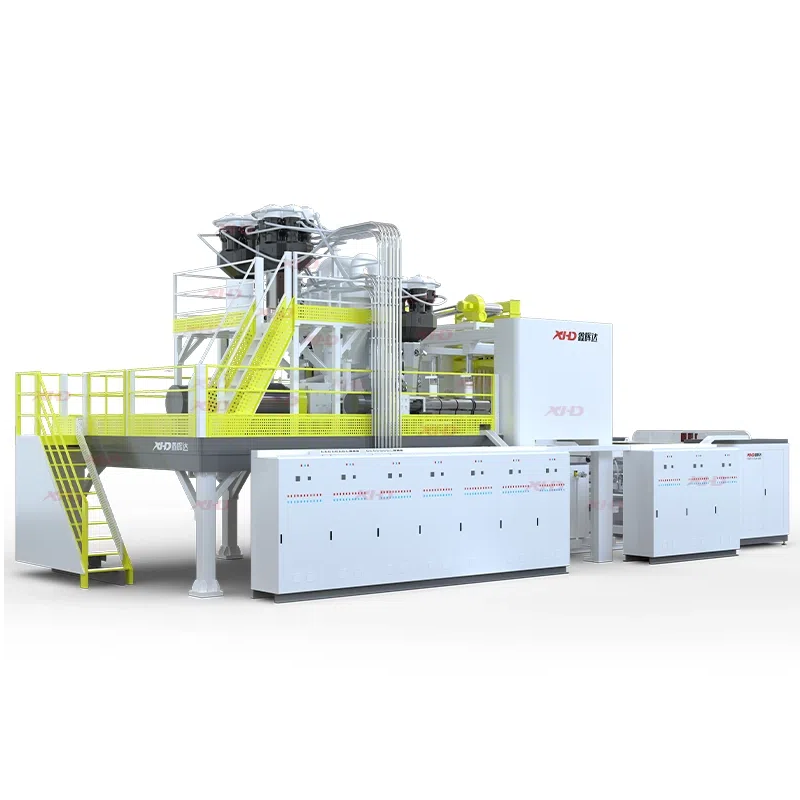
Comprehensive training is key to developing skilled operators who can safely manage stretch film machines while optimizing production outcomes.
Hands-On Steps: Practical training should include exercises in film loading, tension adjustment, wrapping cycle initiation, and safe shutdown procedures. Operators should also practice minor troubleshooting tasks under supervision, such as resolving film misalignment or jammed rolls.
Assessment Tasks: Conduct evaluations to confirm understanding of hazard recognition, adherence to SOPs, and proper use of safety equipment. Documented assessments help ensure that every operator meets competency requirements before working independently.
Refresher Training Cadence: Safety knowledge can fade over time. Schedule regular refresher courses to reinforce best practices, introduce new procedures, and address observed operational issues. Continuous training reduces the likelihood of repetitive strain injuries, errors, and accidents.
A robust training program not only protects operators but also contributes to consistent packaging performance, which is particularly important for high-speed industrial operations.
Maintenance and repair are essential for prolonging the life of stretch film machines, but these activities carry inherent risks that require strict control measures.
When to LOTO: Apply lockout-tagout procedures before performing any maintenance involving moving components, electrical panels, or mechanical adjustments. This prevents unintentional activation while work is in progress.
Authorization: Only trained and designated personnel may authorize removal of locks or restart the machine. Clear communication among team members ensures that maintenance tasks are completed safely.
Before/After Maintenance Checks: After completing maintenance, confirm that guards, emergency stops, sensors, and controls are functional before restarting the machine. Documenting these checks helps maintain safety compliance and prevents accidents caused by overlooked hazards.
XHD stretch film machines are designed with accessible safety features that simplify compliance with LOTO procedures, enhancing protection for technicians and operators alike.
Manual handling of heavy film rolls and repeated operator actions can lead to fatigue or injury. Integrating ergonomic principles into daily operation enhances safety and productivity.
Lift Aids: Utilize mechanical lift devices, trolleys, or hoists to move heavy rolls, preventing back and shoulder injuries. Operators should be trained in safe lifting techniques even when using aids.
Platform Heights: Adjustable platforms or work surfaces allow operators to maintain neutral postures, reducing the strain on the spine, neck, and shoulders.
Film Roll Handling Tools: Specialized dispensers, clamps, and carts minimize direct manual contact with heavy rolls, facilitating quicker, safer film replacement. Ergonomic considerations improve operator comfort and efficiency during long shifts, reducing downtime due to fatigue or strain injuries.
Prioritizing ergonomic solutions contributes to both employee well-being and operational efficiency, a key advantage for high-volume packaging environments.
Maintaining a culture of safety and competency around stretch film machines is crucial for modern packaging operations. Guangdong Xinhuda Machinery Technology Group Co., Ltd. provides stretch film machines engineered with advanced safety features, intuitive controls, and ergonomic design. By implementing structured SOPs, hazard awareness, and proper maintenance practices, operators can achieve peak efficiency while minimizing risks. Creating a simple, printable quick-card that summarizes essential safety steps, hazard points, and emergency procedures is an effective way to reinforce training and support daily operations on the shop floor.
For more information about our range of stretch film machines, operator training programs, or to request a demo, contact us today and discover how XHD can enhance both your packaging performance and workplace safety.


