Founded in 2006, XHD has become a major manufacturer in the industry.
Email : sales01@xhdjx.com

Views: 0 Author: Site Editor Publish Time: 2025-10-21 Origin: Site


Stretch film machines are a cornerstone of modern packaging operations, ensuring that products are securely wrapped and protected during transport. However, even the most advanced stretch film machines can encounter issues such as frequent film tearing, uneven wrapping, or misalignment, which can disrupt production efficiency. At Guangdong Xinhuda Machinery Technology Group Co., Ltd. (XHD), we design stretch film machines with high-speed, stable performance in mind, yet understanding common operational challenges is essential for maximizing machine reliability. In this guide, we explore practical troubleshooting tips that help maintenance staff quickly identify and fix film tearing problems, ensuring smooth packaging workflows, reducing downtime, and improving overall product protection.
When a stretch film machine consistently tears film, the first step is a rapid triage to pinpoint the source of the problem. Conducting immediate checks can save time and prevent further material waste.
The type and quality of stretch film play a critical role in preventing tears. Low-quality film, inconsistent thickness, or moisture-affected rolls can easily rupture during high-speed wrapping. Inspect rolls for uniform gauge, smooth edges, and absence of contaminants before loading onto the machine. Some films may also have static or low elasticity, which increases tearing risk—selecting the right grade of film for your load type can significantly reduce operational interruptions.
Misaligned film carriages can generate uneven tension or scraping, causing the film to tear. Ensure that the carriage moves freely along its track and that all rollers are correctly positioned to guide the film smoothly around the load. Periodically check for loose bolts, worn rails, or bent components, as small misalignments can magnify during high-speed operation. Adjusting the carriage slightly may eliminate repeated tearing and improve wrapping uniformity.
Excessive or uneven pre-stretch settings often lead to weak points in the film, which can result in tearing. Adjust pre-stretch levels according to load size, weight, and film type, and verify that tension is applied evenly across the roll. Consider conducting small test runs when changing film type or adjusting speed, as different films respond differently to tension settings. Over time, even minor deviations in pre-stretch can cumulatively weaken film performance.
Check for damaged or worn rollers that may create friction points. Scratches, dents, or hardened residues can catch the film, leading to frequent breaks. Clean and replace rollers as necessary to maintain smooth operation. For high-volume operations, it’s recommended to have a spare set of rollers ready, so that worn parts can be swapped quickly without halting production.
A systematic approach ensures that every potential cause is considered and isolated effectively. Follow this step-by-step diagnostic flow to quickly identify the root cause of tearing.
Start with the mechanical components, including gears, bearings, and the carriage system. Ensure that all moving parts operate smoothly and that there are no obstructions. Listen for unusual sounds or vibrations that may indicate misalignment or wear. Regular lubrication and cleaning schedules can prevent small mechanical issues from escalating into frequent tearing problems.
After mechanical components are verified, examine the film itself. Look for variations in thickness, edges, or contamination that may compromise integrity. Also, confirm that the roll is mounted correctly and spins freely without resistance. Environmental factors such as temperature, humidity, and dust can influence film behavior; storing film properly can prevent many tearing issues before they reach the machine.
Electrical issues can indirectly cause tearing by affecting motor speed, carriage movement, or tension controls. Inspect wiring connections, sensors, and control panels for loose connections, error messages, or intermittent faults. For machines with advanced automation, ensure that firmware and control software are up to date, as outdated systems may not accurately regulate tension or detect anomalies.
Modern stretch film machines often use sensors to monitor film position, carriage speed, and load detection. Faulty sensors can lead to incorrect tensioning or uneven wrapping. Test each sensor and recalibrate as needed to ensure accurate feedback to the control system. Additionally, regularly clean sensors to remove dust or adhesive residue, which can obstruct signals and cause intermittent tearing.
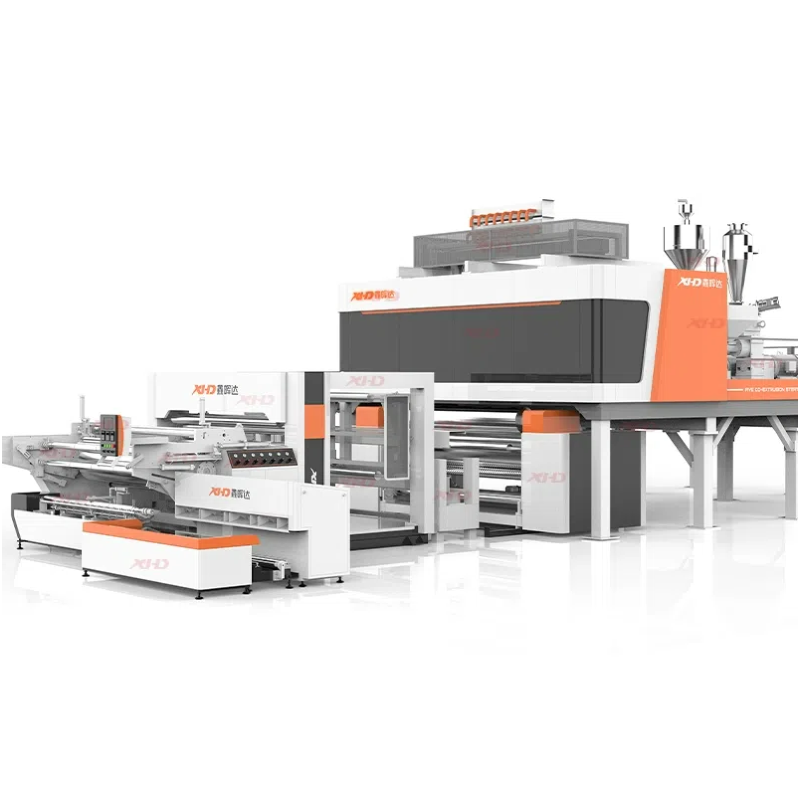
Consistent maintenance and fine-tuning can prevent recurring issues, saving material and minimizing downtime.
Always follow manufacturer guidelines for roll installation. Secure the film correctly, align the core with the spindle, and ensure the leading edge is free from folds or creases. For large or heavy rolls, use proper lifting equipment to prevent damage during loading, which can introduce weak points that tear during wrapping.
Regularly calibrate pre-stretch tension according to the specific load type. Over-stretching weakens the film, while under-stretching can cause inadequate coverage. Use adjustable tension controls to maintain optimal wrapping force. Document your ideal tension settings for each product type to ensure consistent performance, especially in multi-shift operations with multiple operators.
Dancer rolls help maintain consistent tension during wrapping. Clean and lubricate these components routinely to prevent stickiness or uneven movement. Replace worn rolls promptly to maintain uniform film feed. Consider monitoring dancer roll position and tension periodically as part of your standard maintenance checklist to catch potential issues before they cause tearing.
Well-trained operators can prevent many issues that appear to be machine-related. Educate staff on proper roll handling, loading techniques, and adjustment procedures. Encourage operators to report minor irregularities early, which can prevent larger disruptions and maintain consistent film performance.
Understanding which parts are prone to wear allows proactive inspection and replacement, preventing unexpected breakdowns.
Inspect all guide and drive rollers for smoothness, cracks, or embedded debris. Replace any that show signs of wear to avoid cutting or tearing the film. For high-speed machines, consider using rollers made of higher-quality materials with lower friction coefficients to reduce wear and tear on both the film and machine components.
Check bearings for noise, play, or heat generation. Faulty bearings can hinder carriage movement, leading to misalignment and film tearing. Schedule bearing inspections at regular intervals and keep replacement parts in stock to minimize downtime.
Ensure sensors are clean and properly aligned. Dirt, dust, or mispositioned sensors can disrupt feedback loops and cause uneven tension or stop-start motion. Modern machines may allow sensor recalibration via software, which should be performed periodically to maintain optimal performance.
Some stretch film machines use heated rollers or elements to improve film stretchability. Inspect heating elements for consistent operation and check that temperature settings match film specifications. Overheating can weaken film, while insufficient heating may reduce flexibility and tear resistance.
Effective troubleshooting of a stretch film machine requires a combination of rapid inspection, systematic diagnostics, preventative adjustments, and operator awareness. If your film keeps tearing, start with quality checks, carriage alignment, pre-stretch tension, and mechanical inspections, then proceed to film, electrical, and sensor evaluations. Regular maintenance, proper film handling, and timely part replacement can prevent repeat failures and ensure smooth, reliable packaging. At Guangdong Xinhuda Machinery Technology Group Co., Ltd., our stretch film machines are engineered to provide high-speed, stable performance for diverse applications, from consumer goods to industrial packaging. To improve your packaging process and minimize downtime, contact us today to explore our range of stretch film machines and find the best solution for your operation.


