Founded in 2006, XHD has become a major manufacturer in the industry.
Email : sales01@xhdjx.com

Views: 0 Author: Site Editor Publish Time: 2025-10-23 Origin: Site


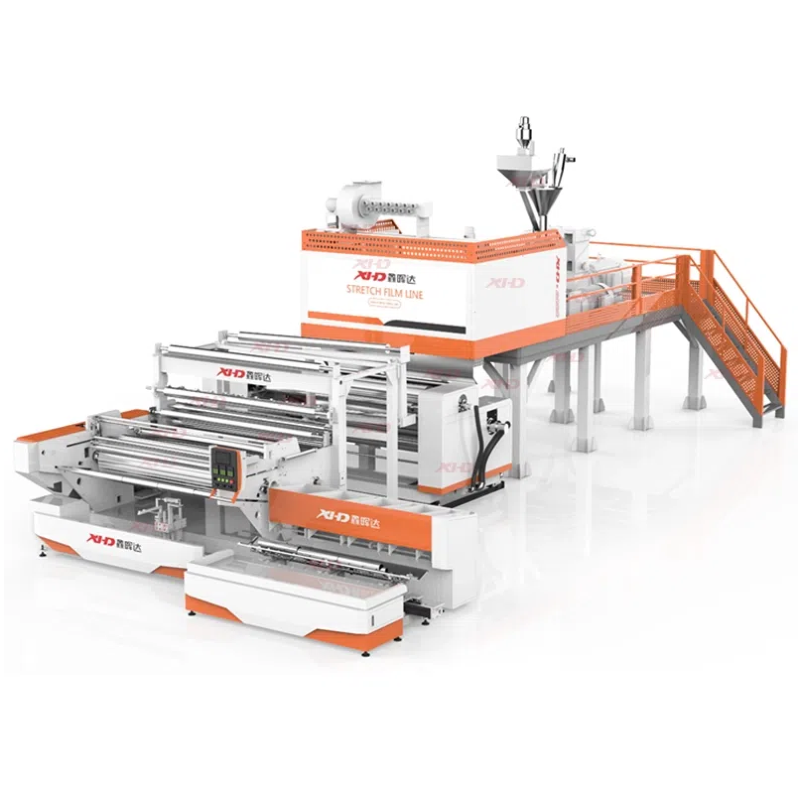
The push toward sustainable packaging has never been more critical for manufacturers looking to reduce both environmental impact and operational costs. Stretch film machines are at the forefront of this effort, allowing companies to optimize film usage, minimize plastic waste, and improve recyclability without compromising load security. At XHD Machinery, our advanced stretch film machines offer precision control and customizable settings that support sustainable practices, enabling operators to achieve consistent wrapping performance while reducing unnecessary material consumption. By understanding practical strategies, choosing more recyclable films, and tracking key environmental metrics, businesses can take meaningful steps toward greener operations and contribute to a circular economy. Additionally, leveraging modern stretch film machines can help companies align with environmental regulations, certifications, and sustainability reporting, enhancing brand reputation and customer trust in an increasingly eco-conscious marketplace.
Reducing film usage begins with understanding how your stretch film machine operates and where inefficiencies occur. Minor adjustments in process and machine settings can yield significant material savings without impacting the stability of pallet loads. Companies often overlook simple operational changes that have a dramatic effect on film consumption.
The pre-stretch function of a stretch film machine controls how much the film is stretched before application. By optimizing pre-stretch levels, companies can extend the reach of each roll of film while maintaining load containment. Proper calibration prevents over-stretching that can weaken film strength or under-stretching that increases consumption. XHD’s stretch film machines feature precise pre-stretch controls that allow operators to tailor settings for varying load types, ensuring both security and material efficiency. Regularly monitoring pre-stretch performance also helps prevent inconsistencies between shifts or operators, creating a predictable and repeatable wrapping process.
Beyond pre-stretch, wrap patterns and containment force are critical levers. Adjusting the number of top and bottom wraps can reduce film layers in areas that do not contribute significantly to load stability. Additionally, tuning the containment force ensures that the right amount of tension is applied to the pallet, preventing waste while securing items effectively. By experimenting with these settings in controlled trials, operations can identify optimal parameters that minimize film use without compromising safety. Operators can also implement staggered or partial wrapping techniques in combination with film-saving programs to cover irregularly shaped loads more efficiently.
Selecting the right type of stretch film is as important as optimizing machine settings. Not all films are created equal in terms of sustainability and recyclability. Companies should adopt a procurement strategy that evaluates both environmental and performance characteristics of films.
When sourcing film, inquire about supplier certifications and environmental claims. Look for films that are fully recyclable or made from post-consumer recycled (PCR) materials. Using verified recyclable films reduces environmental impact and supports corporate sustainability initiatives. Transparent labeling and documentation from suppliers also make it easier to report progress in sustainability audits or annual environmental reports.
PCR films combine recycled material content with high performance, allowing companies to maintain load security while decreasing reliance on virgin plastics. Many suppliers, including XHD’s partners, provide take-back or recycling programs that facilitate proper end-of-life disposal of used film, further closing the loop in sustainable packaging. Beyond recycling, some films are designed for easier separation and sorting in automated recycling facilities, increasing the likelihood that used materials will be effectively reprocessed. Integrating these options into daily operations demonstrates a proactive approach to waste reduction and positions businesses as responsible stewards of natural resources.
Sustainability initiatives require measurable outcomes to demonstrate effectiveness and inform future improvements. Key performance indicators (KPIs) for stretch film usage allow operations teams to monitor material consumption and identify areas for optimization.
Tracking the average meters of film used per pallet provides a direct measure of material efficiency. Comparing usage across shifts, machines, and load types can highlight opportunities to reduce excess wrapping. Advanced stretch film machines often include automated reporting features that simplify this tracking and provide actionable insights for management.
Film weight per pallet correlates directly with raw material consumption and cost. Reducing this metric without compromising containment ensures environmental and financial benefits. Companies can pair weight tracking with targeted employee training to reinforce best practices and reduce variability in film application.
Although cost is secondary to sustainability, monitoring the expense of film per pallet allows procurement and production teams to quantify savings resulting from process improvements, better film selection, and efficient machine operation. Combining financial metrics with environmental KPIs creates a holistic picture of both sustainability impact and operational efficiency, enabling stronger business cases for investments in advanced equipment.
Investing in the right equipment and supplier partnerships is foundational to achieving sustainable stretch wrapping goals.
Stretch film machines with advanced pre-stretch technology can maximize the usable length of each film roll. Machines from XHD incorporate high-efficiency pre-stretch systems that maintain consistent film tension, minimize breakage, and reduce overall film consumption. These systems are particularly valuable in high-volume operations where small savings per pallet compound into significant reductions over time.
Innovative carriage designs control film feed more accurately, preventing over-application and uneven wrapping. Features such as programmable wrap cycles, adjustable tension, and responsive load sensing allow operators to apply only the necessary amount of film, contributing to both material savings and consistent pallet security. Machines equipped with film-saving carriage technologies also facilitate easier changeovers between load sizes and types, improving operational flexibility and reducing waste associated with manual adjustments.
A reliable supplier not only provides high-quality machines but also offers ongoing maintenance, training, and performance support. Regular servicing ensures that stretch film machines operate at peak efficiency, reducing downtime and material waste. Partnering with suppliers committed to sustainability programs reinforces a company’s green initiatives and facilitates continuous improvement. XHD’s comprehensive support network ensures that operators receive guidance on best practices, preventive maintenance, and process optimization to maximize both efficiency and environmental benefits.
Implementing a structured approach to sustainable stretch wrapping can produce measurable environmental and financial benefits. Within the first 30 days, focus on adjusting pre-stretch settings, testing wrap patterns, and evaluating film options. By 60 days, refine containment force and monitor key KPIs such as film meters, weight, and cost per pallet. At 90 days, review results, adopt recyclable or PCR films consistently, and integrate supplier-supported recycling programs. XHD Machinery’s stretch film machines are engineered to support these practices, providing both precision and flexibility to achieve significant waste reduction. By combining process optimization, sustainable film selection, and proactive monitoring, companies can enhance packaging efficiency, lower their carbon footprint, and contribute to broader environmental goals. For more information about our stretch film machines and sustainable packaging solutions, contact us today to explore the full range of options.


