CPE casting film lines play a significant role in the production of high-quality polyethylene films, which are increasingly used in sustainable packaging solutions. With the growing demand for eco-friendly alternatives to traditional plastic, CPE films offer a range of benefits that make them ideal for industries looking to reduce their environmental impact. These films are known for their biodegradable and recyclable properties, which help address the challenges of plastic waste and pollution. By offering films that break down naturally or can be reused in a circular economy, CPE casting film lines contribute to the development of sustainable packaging options across various sectors, from food and retail packaging to industrial and agricultural applications. The efficiency of CPE films in protecting products while minimizing waste positions them as a key player in the movement towards more sustainable, environmentally conscious packaging solutions.
Eco-Friendly Film Options
1.Biodegradable CPE Films
Biodegradable CPE films are designed to break down naturally in the environment over time, unlike traditional plastic films that can take centuries to decompose. These films decompose through natural processes, reducing the accumulation of plastic waste in landfills and oceans. By using biodegradable CPE films, industries can significantly lower their environmental impact, as these films eventually return to the earth, leaving behind minimal trace. This makes them a sustainable option for applications where waste reduction is a priority, such as food packaging, agricultural films, and retail packaging.
2.Recyclable CPE Films
Recyclable CPE films contribute to a circular economy by allowing the material to be reused after its initial purpose has been served. Unlike many single-use plastics, recyclable CPE films can be processed and transformed into new products, reducing the need for virgin materials. The ability to recycle CPE films helps reduce overall plastic consumption and lowers the environmental footprint of packaging, as the material can be continuously repurposed. This recycling capability supports waste diversion from landfills, making CPE films a more sustainable choice compared to non-recyclable plastics.
3.Reduced Plastic Waste
CPE films help reduce overall plastic waste through improved recycling and composting options. With advancements in CPE film technology, the films are designed to be easier to recycle or compost, promoting waste reduction across various industries. Their ability to be broken down or repurposed in a closed-loop system minimizes the accumulation of plastic waste in the environment. By using CPE films, companies can contribute to reducing the global plastic waste crisis while still maintaining the performance and protective qualities needed for packaging and other applications. These eco-friendly options provide a sustainable alternative to traditional plastics, fostering a more responsible and environmentally-conscious approach to packaging.
Minimizing Environmental Impact
1.Lower Carbon Footprint
CPE films contribute to a lower carbon footprint compared to many traditional packaging materials, such as plastics made from non-renewable sources. The production of CPE films involves fewer carbon emissions due to the use of polyethylene, a material that requires less energy to produce compared to alternatives like PVC or certain types of PET. Additionally, as CPE films are often biodegradable and recyclable, they reduce the need for new raw materials, further decreasing the carbon footprint during their lifecycle. By choosing CPE films, businesses can help lower their overall environmental impact, aligning with sustainability goals and reducing greenhouse gas emissions associated with packaging materials.
2.Energy Efficiency in Production
The energy-efficient manufacturing processes of CPE films, made possible by advancements in casting film lines, play a key role in minimizing environmental impact. Modern CPE casting film lines utilize advanced technology to optimize the production process, reducing the amount of energy needed to produce high-quality films. These systems are designed to reduce waste, enhance productivity, and lower the consumption of electricity during production. As a result, CPE films are produced more efficiently, contributing to overall energy savings in the manufacturing sector. This energy efficiency is crucial in creating more sustainable packaging solutions and reducing the carbon footprint of the packaging industry.
3.Less Landfill Contribution
CPE films help minimize their long-term impact on landfills due to their biodegradability and recyclability. Unlike conventional plastic films that can take centuries to decompose, biodegradable CPE films break down naturally in the environment, reducing their persistence in landfills. In addition, recyclable CPE films can be processed and repurposed, diverting waste from landfills and reducing the demand for virgin raw materials. By offering both biodegradable and recyclable options, CPE films contribute to waste reduction and promote a more circular economy, decreasing the amount of packaging waste that ends up in landfills and reducing environmental pollution.
Enhancing Packaging Durability and Efficiency
1. Moisture Resistance
CPE films are highly regarded for their moisture resistance, making them ideal for protecting various packaged goods. Whether used for food, electronics, or industrial products, CPE films provide a barrier against moisture, preventing damage like mold, rust, or degradation. This protection helps maintain product quality and reduces the need for additional protective layers, such as coatings or secondary packaging. By minimizing excess material use, CPE films not only improve packaging efficiency but also contribute to cost savings and sustainability.
2. Lightweight yet Strong
CPE films offer the perfect balance between strength and lightweight properties. This makes them effective in protecting products without adding unnecessary weight. The reduced weight leads to lower transportation costs, as lighter packaging results in decreased shipping expenses and energy consumption. Additionally, using less material helps reduce waste and promotes efficient resource use, making CPE films an excellent choice for companies aiming to reduce their carbon footprint while maintaining high packaging performance.
3. Customizability
CPE casting film lines allow for customization, enabling manufacturers to adjust film properties like thickness, transparency, adhesion, and printability. For example, thicker films can be used for added durability in industrial packaging, while transparent films are ideal for retail packaging. This ability to tailor the films ensures they meet sustainability goals, offering eco-friendly solutions while providing necessary protection. It also allows businesses to create packaging that aligns with both functional and environmental objectives.
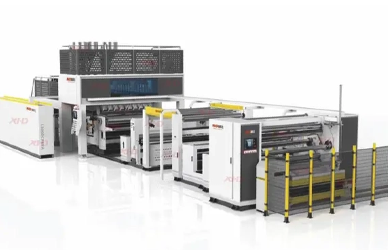
CPE Films in Sustainable Packaging for Various Industries
1.Food Packaging
CPE films are ideal for food packaging, providing moisture resistance and biodegradability. These films protect food from contamination, extend shelf life, and help maintain freshness. Their eco-friendly nature makes them a sustainable alternative to traditional plastic packaging, as they are either biodegradable or recyclable, reducing environmental impact. CPE films are used for fresh produce, snacks, and ready-to-eat meals, ensuring food safety while supporting sustainability.
2.Retail Packaging
In retail packaging, CPE films offer a sustainable alternative to conventional plastics. They are customizable in terms of transparency, printability, and strength, making them suitable for packaging items like clothing, cosmetics, and household goods. CPE films enable brands to maintain quality packaging while reducing their environmental footprint, offering protection from moisture and dirt without compromising sustainability goals.
3.Industrial and Agricultural Packaging
CPE films are widely used in industrial and agricultural packaging for their strength and durability. In industrial applications, they protect heavy-duty products like construction materials and automotive parts from moisture and dirt. In agriculture, CPE films help preserve crops, silage, and agricultural equipment. These films offer eco-friendly protection, supporting sustainability efforts while ensuring products remain safe during storage and transport.
Future of Sustainable Packaging with CPE Films
1.Innovations in CPE Film Technology
The future of CPE film technology is focused on enhancing biodegradability and improving eco-friendly features. Innovations are aimed at making CPE films break down more quickly and efficiently in the environment. Advancements in bio-based polyethylene and the use of advanced additives will increase recyclability and compostability, reducing environmental impact. These improvements align with the growing demand for greener packaging solutions and will ensure CPE films remain a sustainable choice for industries.
2.Role of CPE Casting Film Lines in Sustainability
CPE casting film lines are key to producing more sustainable CPE films. Advances in casting technology allow for less material waste, energy-efficient production, and more precise film properties, such as thickness and transparency. These developments help reduce the carbon footprint of CPE film production while maintaining film strength and flexibility. Additionally, modern casting lines support closed-loop recycling systems, ensuring CPE films are produced with greater efficiency and minimal environmental impact.
FAQ Section
Q1: What are biodegradable CPE films, and how do they contribute to sustainability?
A1: Biodegradable CPE films are designed to break down naturally over time, reducing the environmental impact compared to traditional plastics. They decompose in landfills, helping reduce plastic waste.
Q2: Can CPE films be recycled?
A2: Yes, CPE films are recyclable, and they can be processed and reused in various applications, helping to reduce the amount of waste that ends up in landfills.
Q3: How do CPE films help in reducing packaging waste in industries?
A3: CPE films are durable, moisture-resistant, and lightweight, reducing the need for multiple layers of packaging and minimizing material waste, which in turn lowers environmental impact.
Q4: How does CPE casting film technology contribute to sustainable packaging?
A4: CPE casting film technology enables the production of high-quality, customizable, and eco-friendly films. It allows for more efficient use of raw materials, reducing waste and energy consumption during manufacturing, and enhancing the sustainability of the final product.
Conclusion
CPE casting film lines play a significant role in advancing sustainable packaging by producing films that offer both environmental benefits and high performance. Through innovations in film technology, CPE films help reduce environmental impact by providing biodegradable and recyclable options that reduce waste and promote a circular economy. These films not only protect products from moisture, damage, and contamination but also contribute to cost savings by minimizing excess material use. By offering customizable properties, CPE films cater to a wide range of packaging needs across industries such as food, retail, and manufacturing, all while supporting sustainability goals. The continuous advancements in CPE casting film lines are shaping the future of packaging solutions, ensuring that businesses can meet their efficiency, protection, and eco-friendly objectives, ultimately driving a more sustainable packaging industry.
 English
 العربية
 Français
 Русский
 Español
 Português
 Deutsch
 italiano
 日本語
日本語 한국어
한국어 Nederlands
 Tiếng Việt
 ไทย
ไทย Polski
 Türkçe
 ភាសាខ្មែរ
 Bahasa Melayu
 ဗမာစာ
ဗမာစာ தமிழ்
தமிழ் Filipino
 Bahasa Indonesia
 Română
 Čeština
 Монгол
 қазақ
қазақ Српски
 हिन्दी
 فارسی
فارسی Kiswahili
 Slovenčina
 українська
 Հայերեն
 Latine
 Dansk
Dansk اردو
اردو Shqip
Shqip বাংলা
বাংলা Hrvatski
 Afrikaans
 Gaeilge
 Oʻzbekcha
 latviešu
 Azərbaycan dili
 Беларуская мова
 Bosanski
 ગુજરાતી
 Basa Jawa
 Kinyarwanda
 Кыргызча
 Македонски
 Malti
Malti


